
You might be interesting:

Natural Black Stone in Wellness Spaces and SPA Architecture
10 min | 20.05.2026Natural Black Stone in Wellness Spaces and SPA Architecture
When light, water, and the natural depth of the material shape an environment built around tactility, scale, and inner calmness


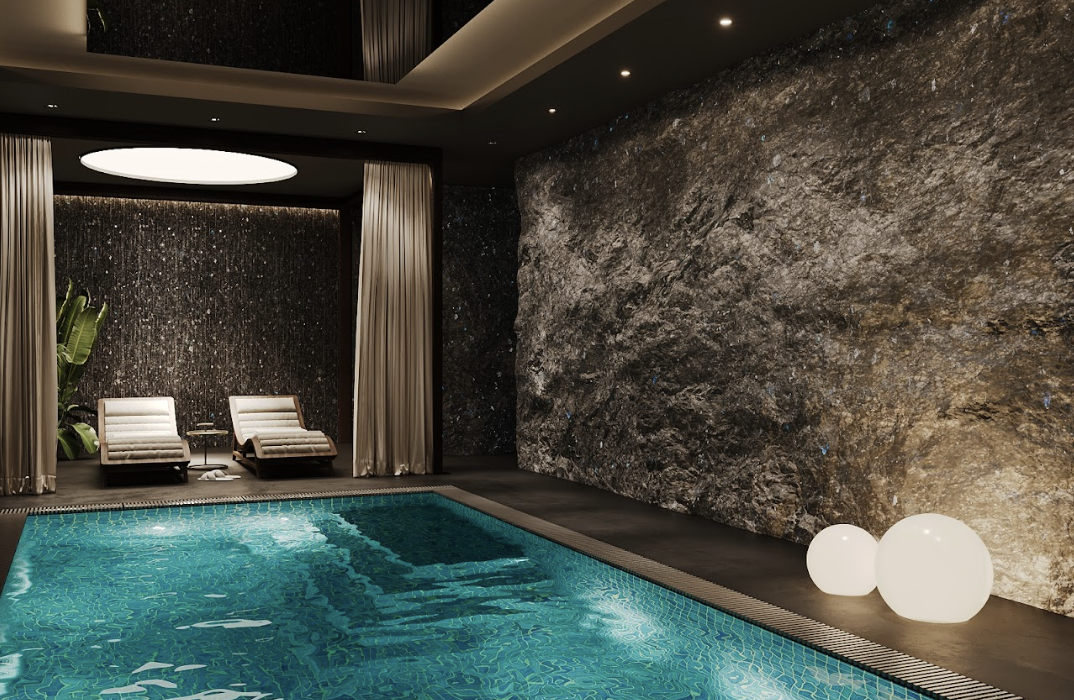
Wellness Architecture as an Environment for Restoration
Contemporary wellness spaces are no longer built around the number of functions or complex design solutions. What becomes far more important is the environment itself — a space where calmness is felt even before interacting with it.
Light becomes softer. Architecture becomes cleaner. Materials become deeper and more tactile.
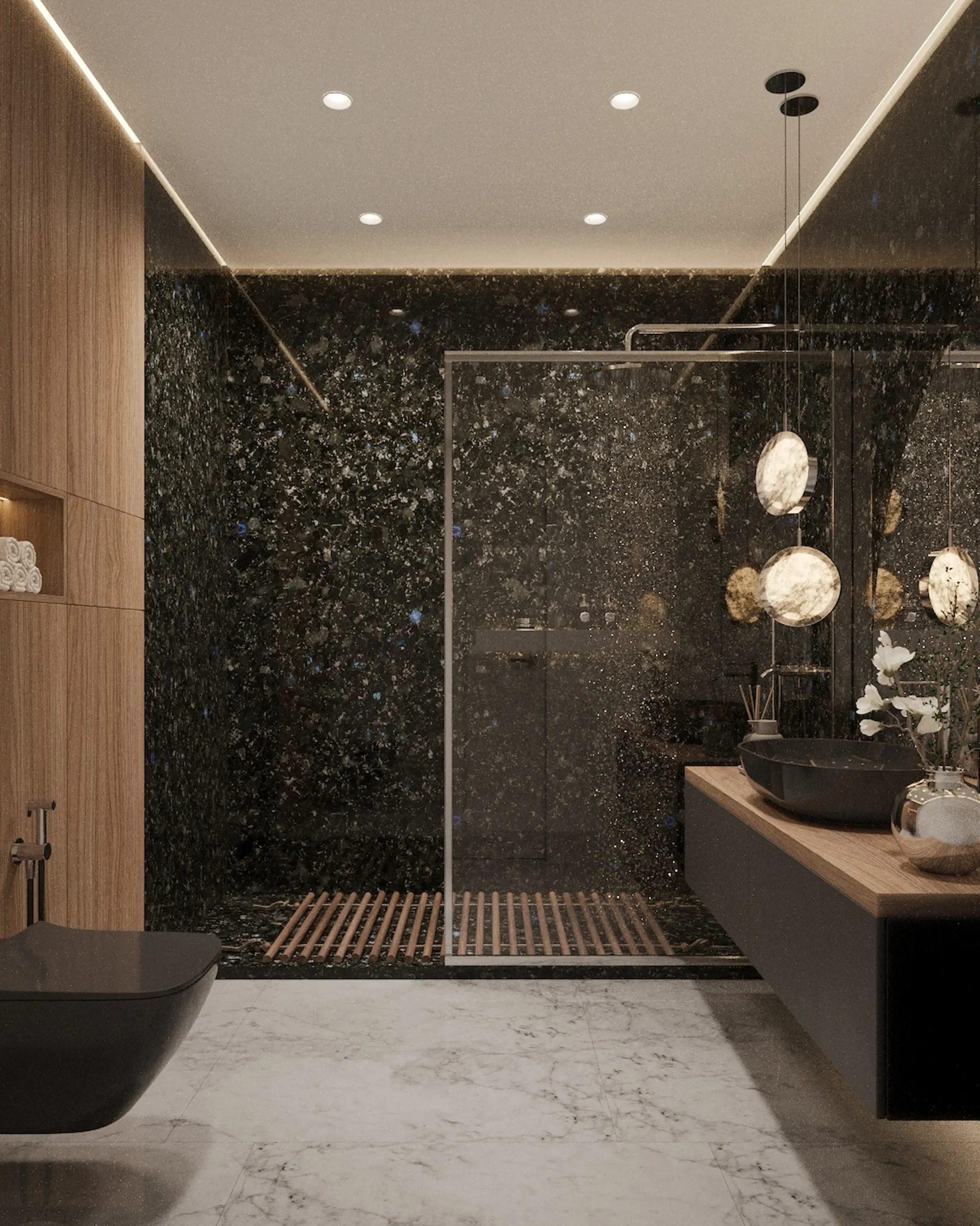
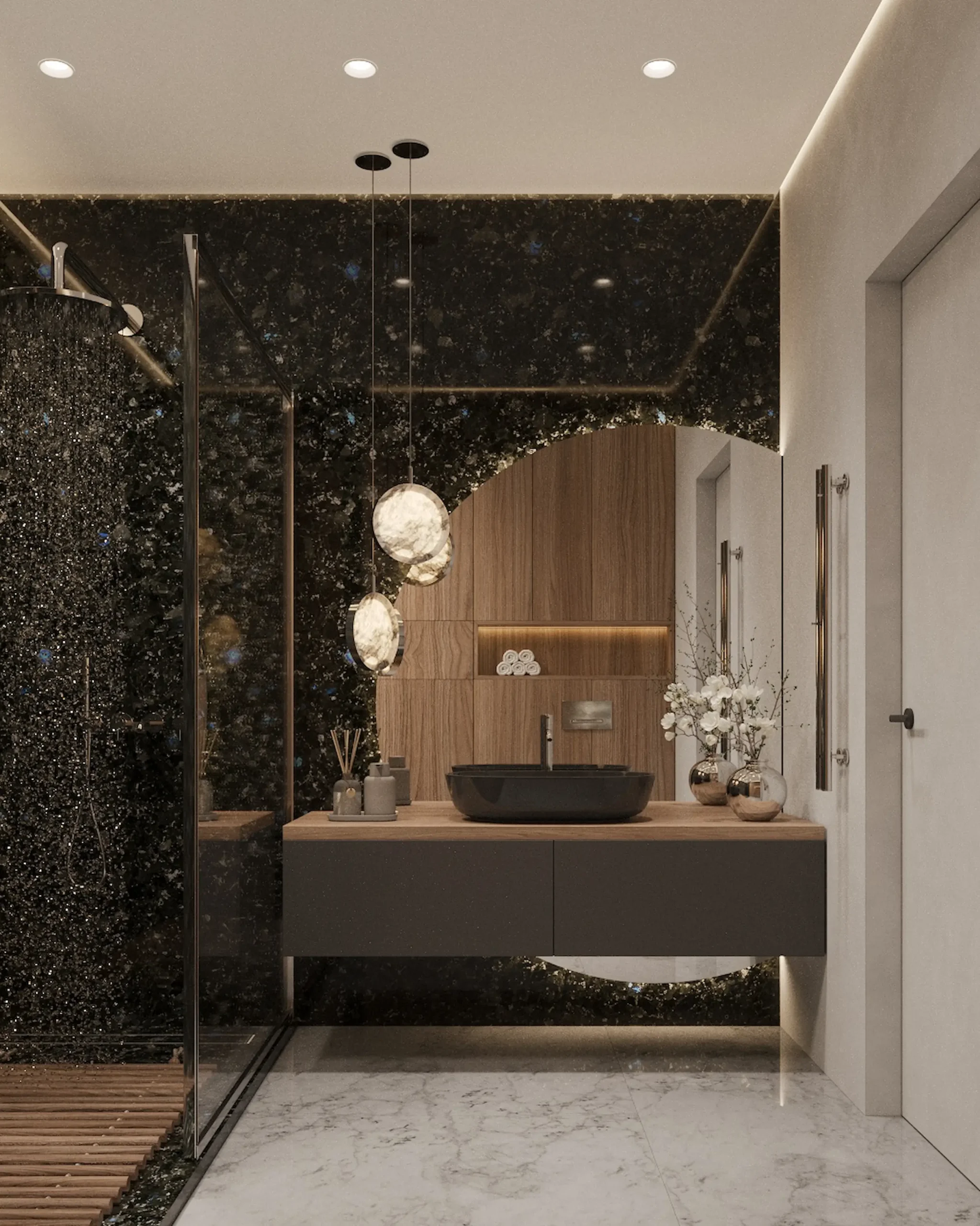
Natural black stone integrates especially organically into this aesthetic because of its natural density and visual stability. Golovinski Labradorite does not create visual noise even across large surfaces. The material works in a restrained yet deep way, allowing the environment to feel cohesive and atmospheric.
This works especially naturally in:
— SPA spaces
— wellness zones
— private bathrooms
— pools
— lounge spaces
— retreat architecture
These interiors do not attempt to capture attention instantly.
They gradually immerse the visitor in a state of calmness, silence, and inner balance.
Light, Water, and the Depth of Material
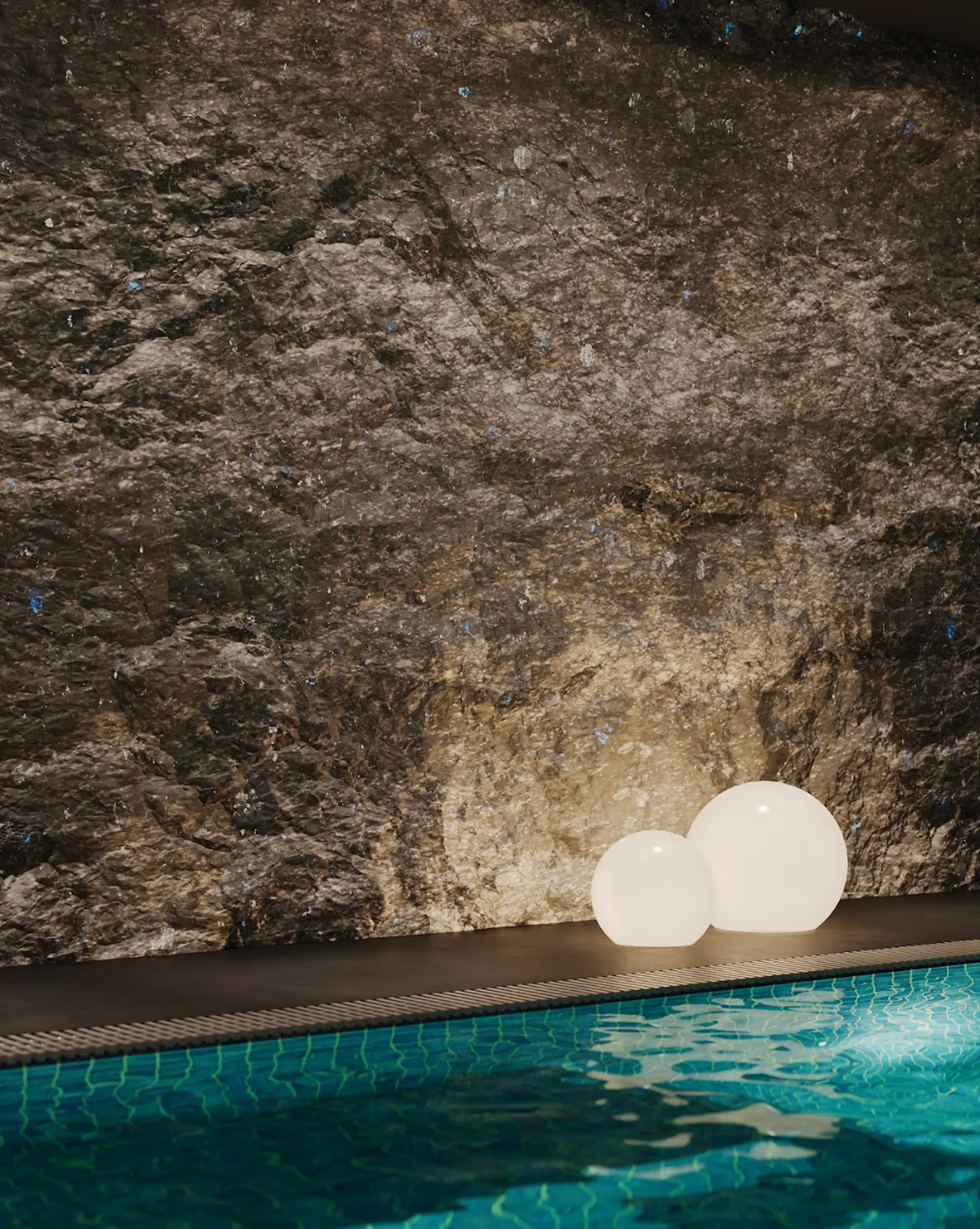
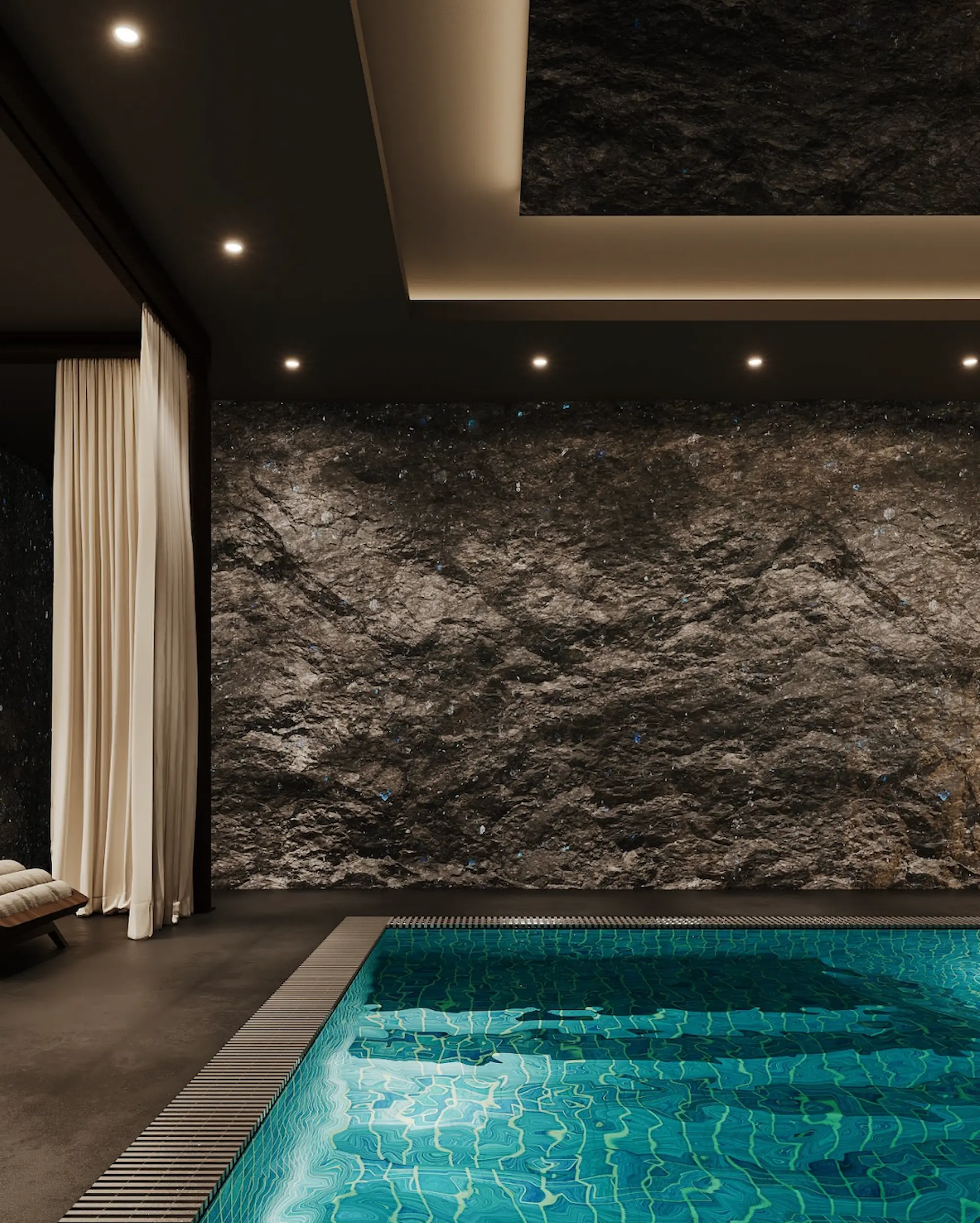
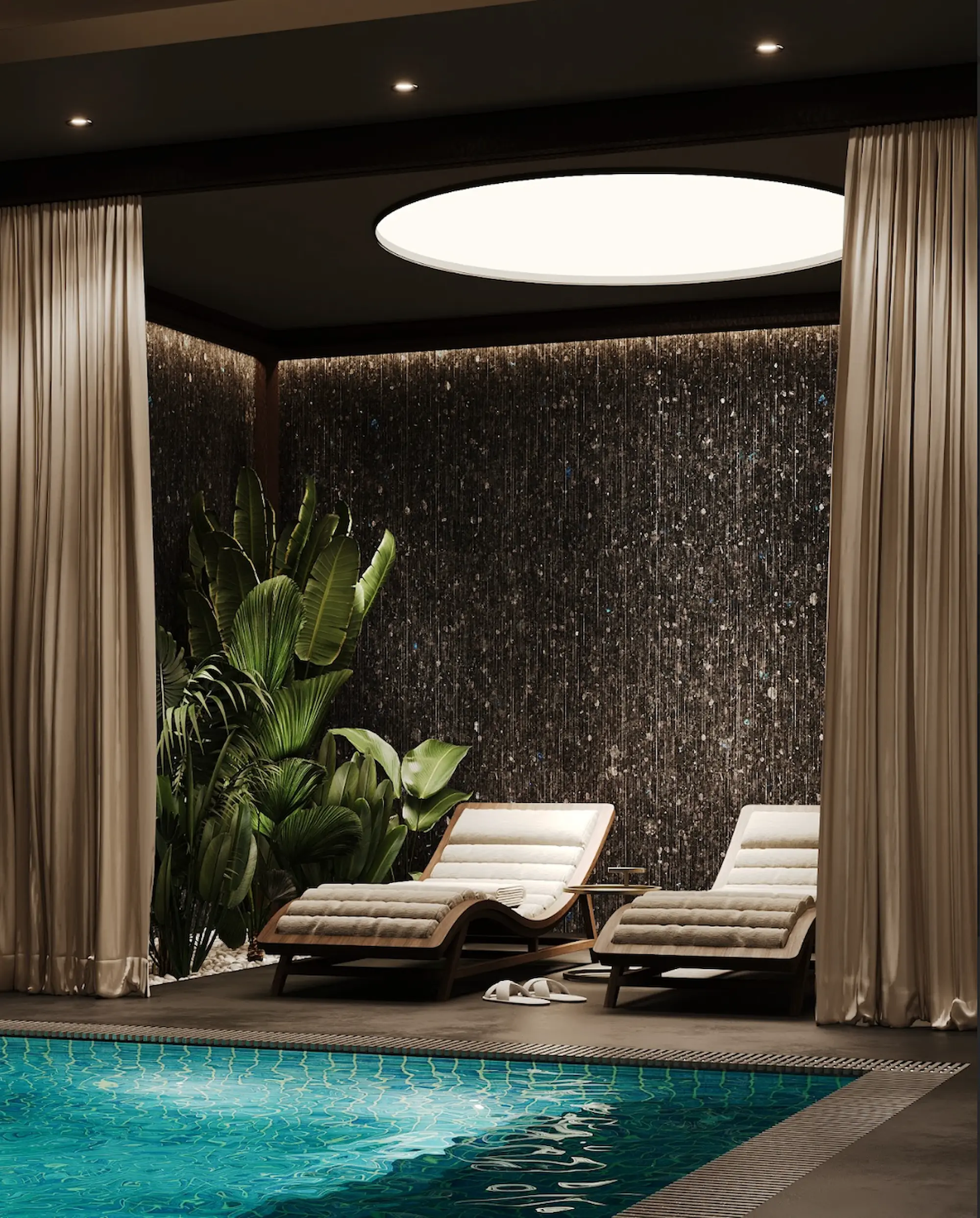
In wellness architecture, it is the surface of the labradorite itself that begins to shape the perception of space. Light, water, and the finish of the material constantly transform the atmosphere of the interior, allowing the same stone to feel completely different depending on the environment and lighting scenario.
The Polished finish creates deep reflections and interacts with water through light and mirror-like depth, visually expanding the environment while revealing the stone’s natural iridescence. SILK works much more softly — the surface absorbs part of the reflections, making the architecture calmer and more tactile. PLUVIUM adds natural relief and depth to the material, allowing the stone to feel monolithic and atmospheric even across large wellness surfaces.
Within a single interior, different finishes allow completely different moods to emerge — from deep reflections and interaction with light to a calmer, more natural, and tactile architectural atmosphere.
It is precisely this interaction between light, water, scale, and different surface finishes that makes wellness spaces with labradorite feel so layered in perception.
A Material for Environments with Constant Moisture
For wellness architecture, it is important not only how the material looks, but also how it behaves in spaces with constant humidity and direct contact with water.
Golovinski Labradorite has extremely low water absorption, which makes it especially suitable for SPA spaces, pools, and bathroom architecture. The material maintains surface stability even in environments with постоянной humidity and temperature fluctuations.
Anti-slip surfaces make it possible to create safer environments in areas with direct water contact while preserving the integrity of the architectural composition and the natural depth of the material.
This is why labradorite works not only as a visually expressive material, but also as a long-lasting solution for wellness architecture, where practicality, surface stability, and ease of maintenance over many years of use become essential.
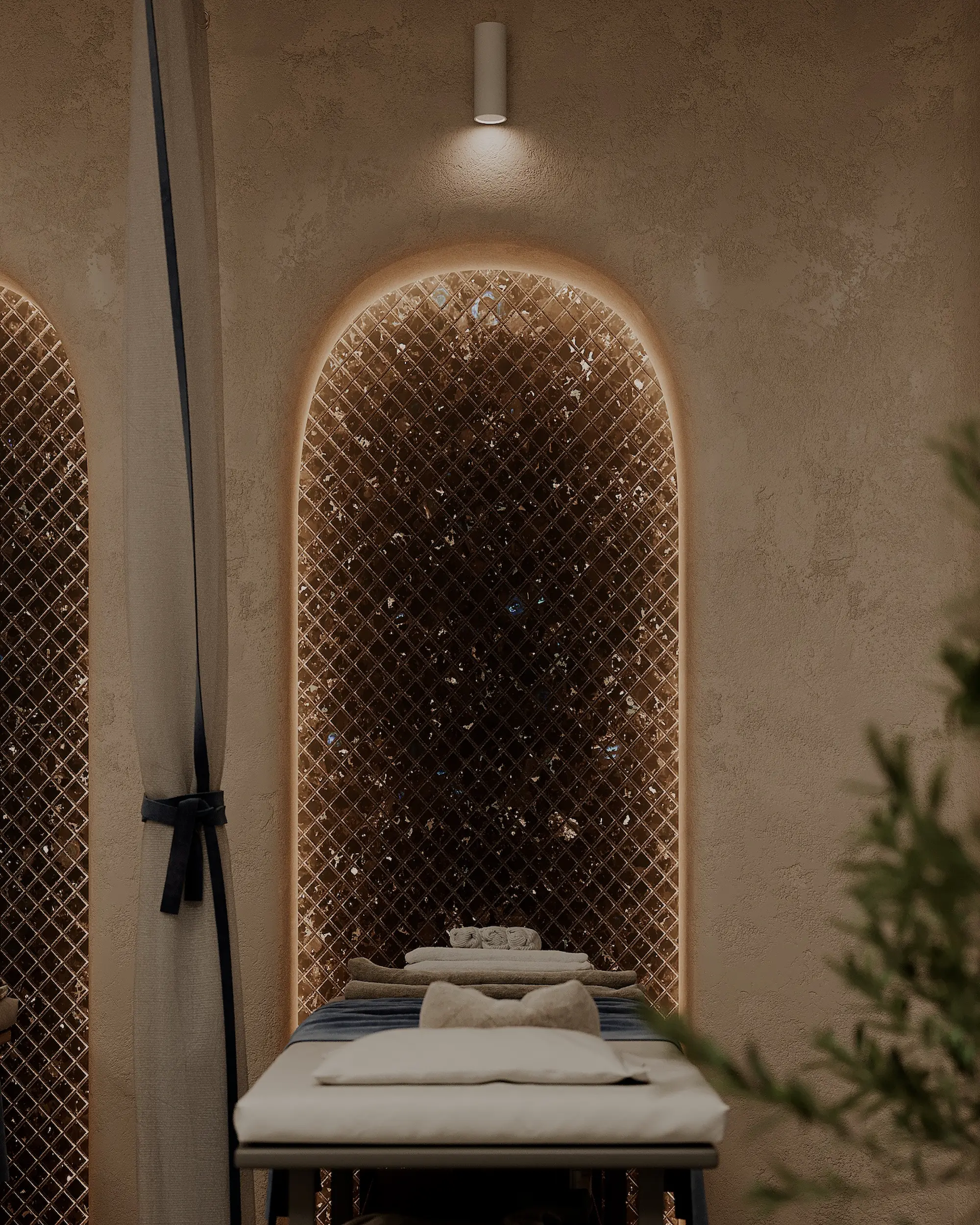
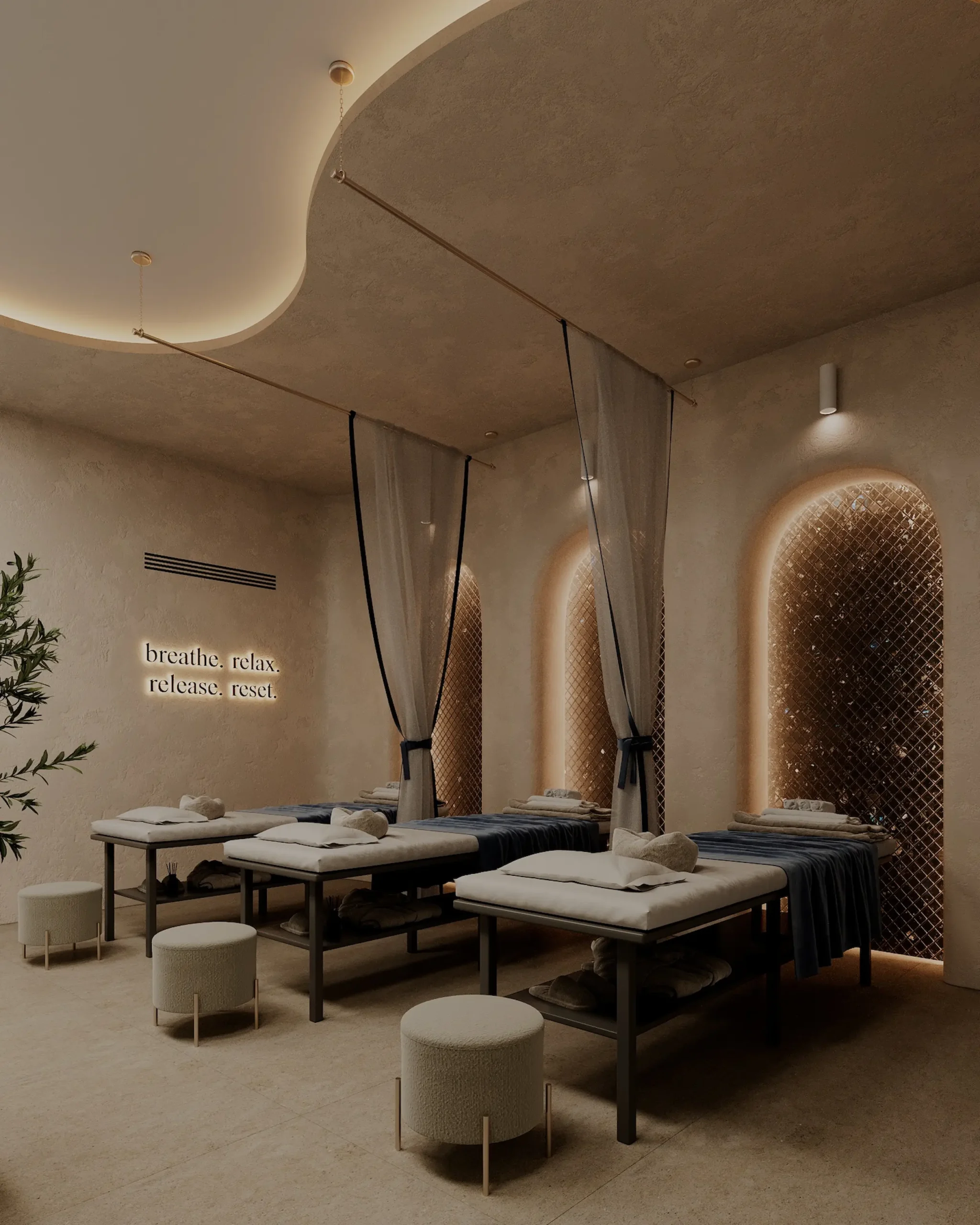
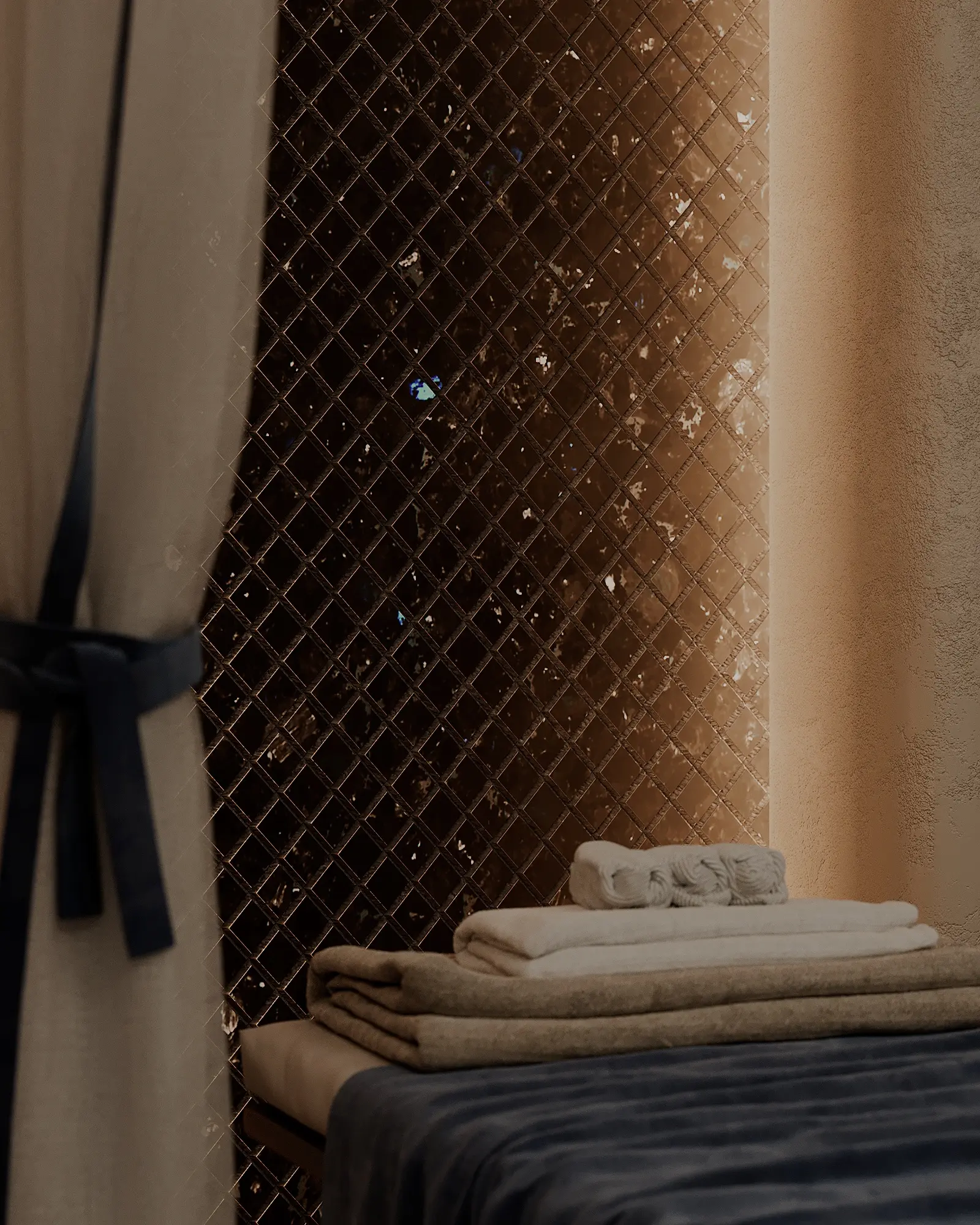
Material Continuity in Wellness Spaces
In contemporary wellness architecture, material increasingly works not as an isolated interior element, but as part of a continuous spatial composition. Stone flows from walls into flooring, from lounge zones into SPA spaces, creating a unified architectural environment without abrupt visual transitions.
Large-format labradorite makes it possible to create cohesive surfaces where architecture feels calmer and more spacious. A minimal number of seams enhances the sense of monumentality, while the natural structure of the stone adds depth without overloading the environment with excessive detail.
As a result, the interior is perceived not as a collection of separate solutions, but as a cohesive environment built around light, water, and the natural strength of the material.
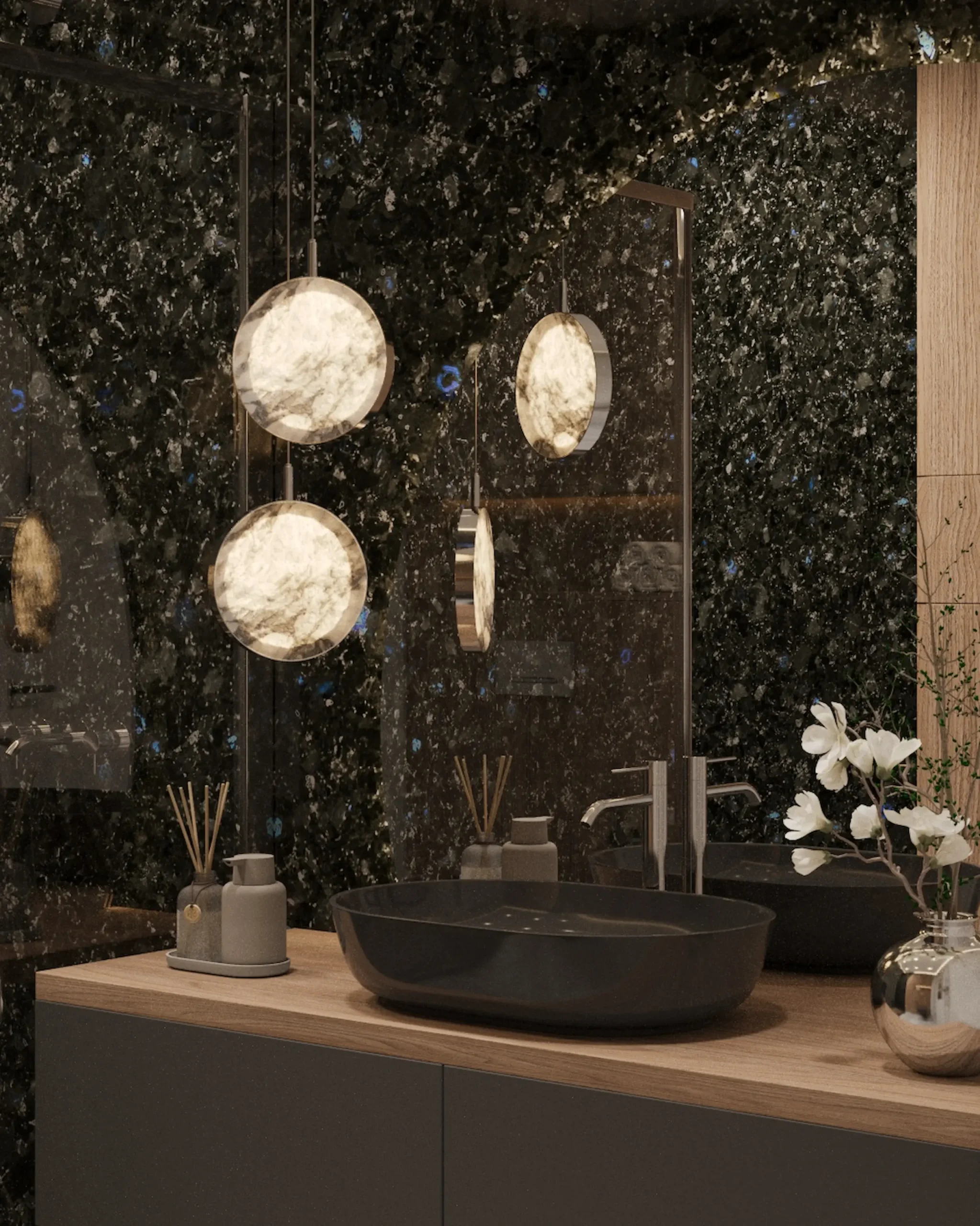
Architecture Where Atmosphere Matters More Than Decoration
Contemporary wellness architecture is increasingly built around feelings rather than objects.
Spaces become cleaner. Materials become more honest. Atmosphere becomes deeper and calmer.
The focus shifts toward:
— light
— water
— scale
— texture
— tactility
— the natural interaction of materials
Golovinski Labradorite works within these spaces as part of the architecture itself — a material that holds light, shapes rhythm, and creates depth without excessive visual complexity.
Within such interiors, atmosphere emerges through the interaction of light, water, and the natural strength of the material.
Q&A
Why is natural black stone often used in wellness architecture?
Natural black stone creates a sense of depth, monumentality, and inner calmness. Large cohesive surfaces and the natural interaction with light allow architects to shape atmosphere without visual noise.
How does labradorite interact with water and lighting?
Golovinski Labradorite reveals itself especially well near water and under warm architectural lighting. The surface delicately interacts with light, emphasizing the natural depth and blue iridescence of the stone.
Why are different finishes important in SPA spaces?
In wellness architecture, different finishes allow the same stone to shape atmosphere in completely different ways. Polished surfaces create deep reflections and interact with light through mirror-like depth, while SILK or PLUVIUM make the architecture feel more tactile, calm, and natural in perception.
Why is labradorite suitable for humid environments?
Golovinski Labradorite has extremely low water absorption, allowing the material to remain stable even in environments with constant humidity, temperature fluctuations, and intensive everyday use.