
You might be interesting:

Black Stone for Terrace: Labradorite Under Open Sky
10 min | 04.05.2026Black Stone for Terrace: Labradorite Under Open Sky
A material that responds to climate and maintains spatial integrity


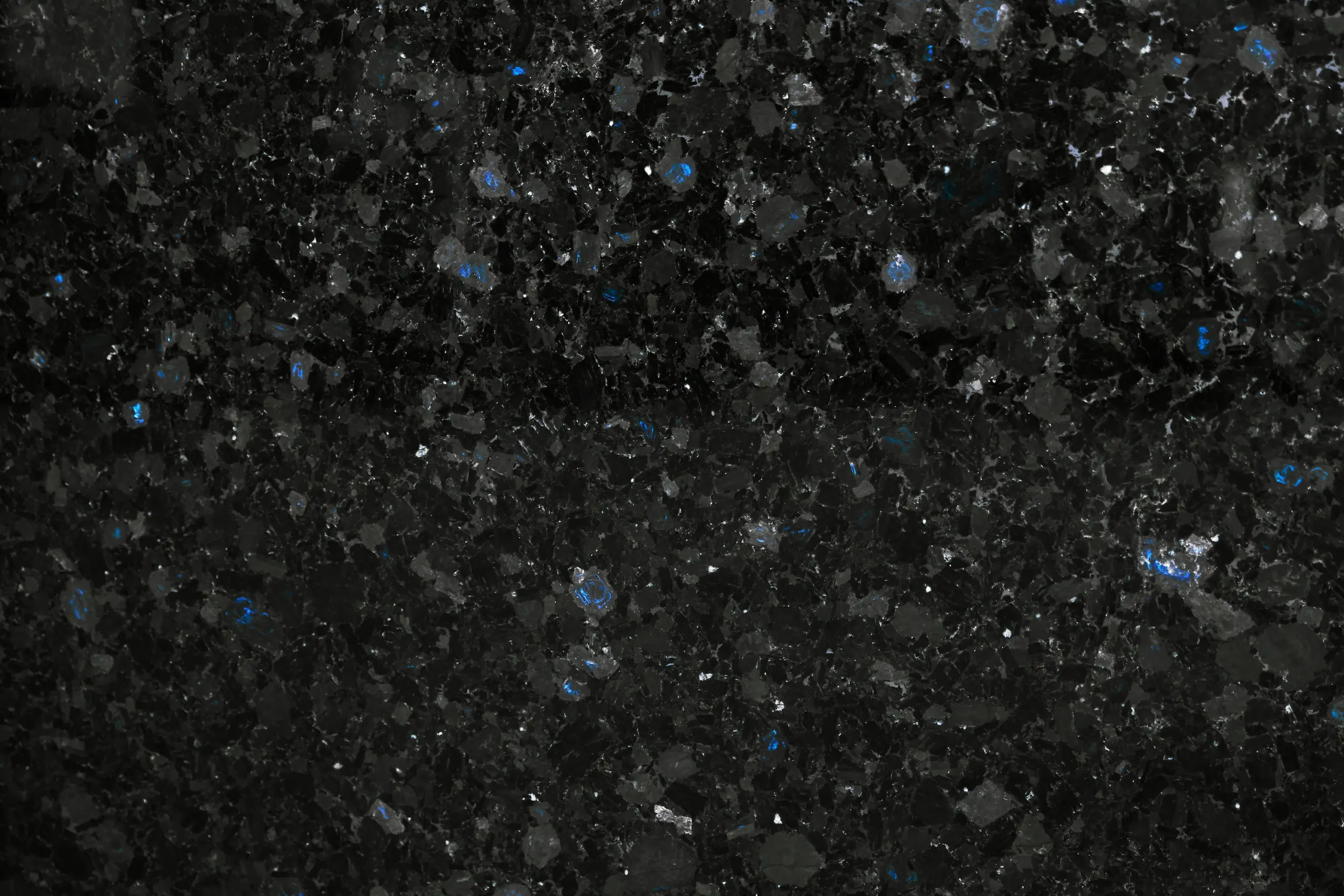
Why labradorite is the right choice for outdoor use
A terrace is a space that constantly interacts with the environment. Moisture, temperature fluctuations, sun exposure, and load are not exceptions here — they are the baseline conditions of use.
In this context, what matters is not how the material looks right after installation, but how it performs over time.
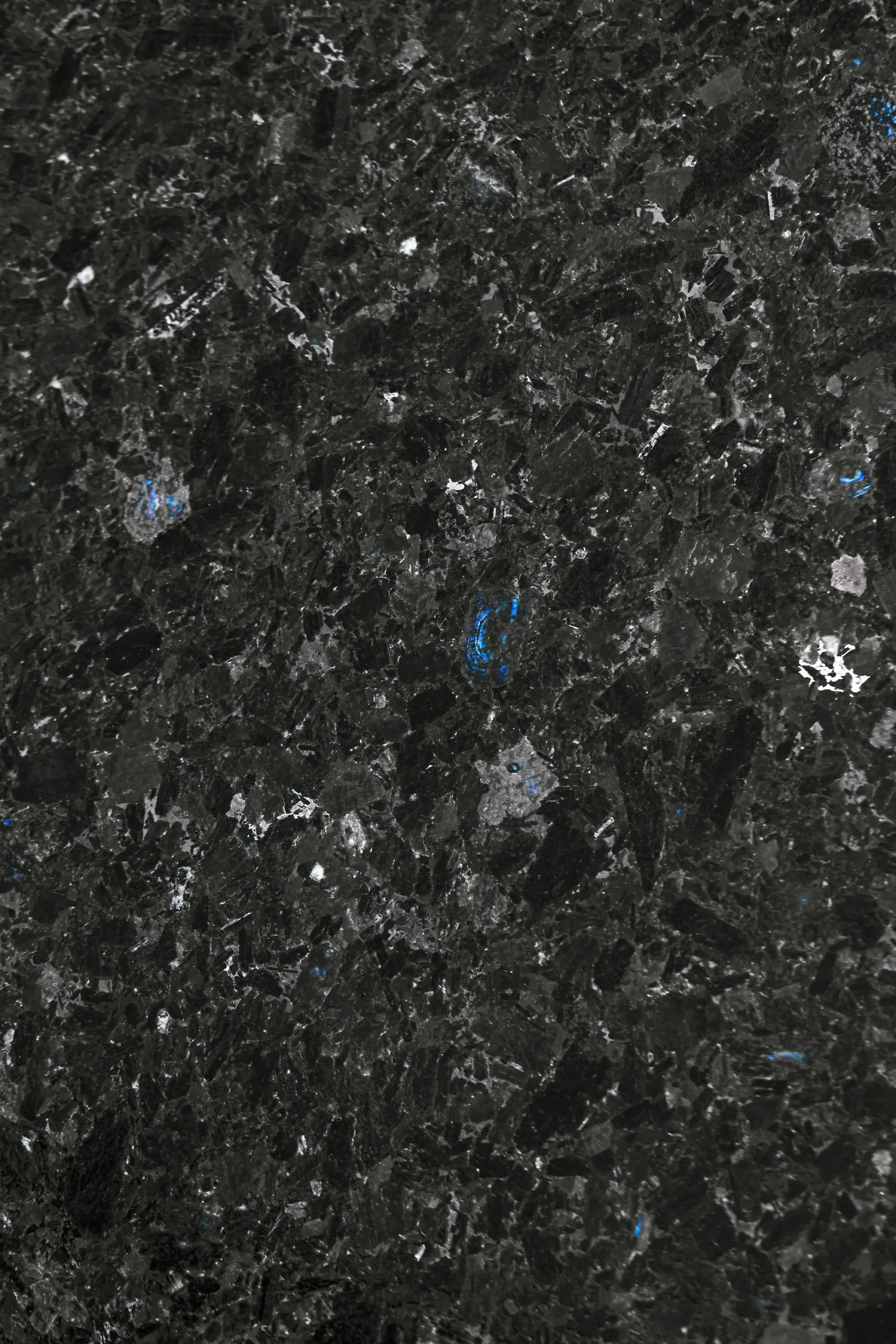
Labradorite is a natural black stone with a dense crystalline structure, formed by nature approximately 300 million years ago. This structure provides stability: the material does not absorb water, does not deform, and maintains its geometry even in challenging climatic conditions.
This makes it suitable for exterior architecture without the need for constant intervention or maintenance.
F100+ and freeze resistance
On open surfaces, materials constantly go through freeze-thaw cycles. Moisture that penetrates inside expands when frozen, creating internal pressure.
In porous materials, this leads to microcracks and gradual deterioration.
Labradorite behaves differently. Its dense structure practically does not allow water penetration, so even with repeated temperature changes, the stone maintains its integrity and shape.
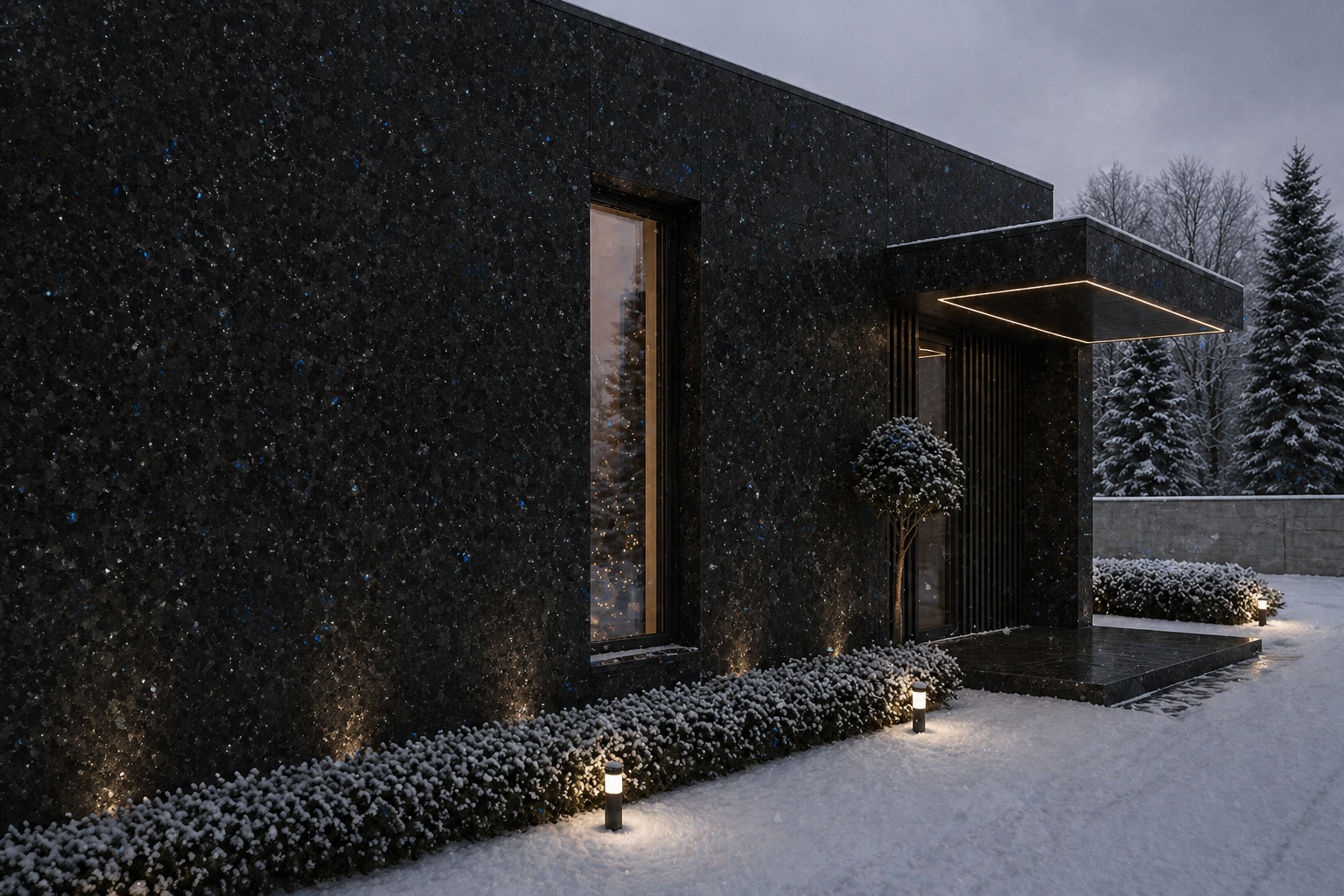
Water enhances the material
Water is usually perceived as a risk factor, but in the case of labradorite, it works as an amplifier.
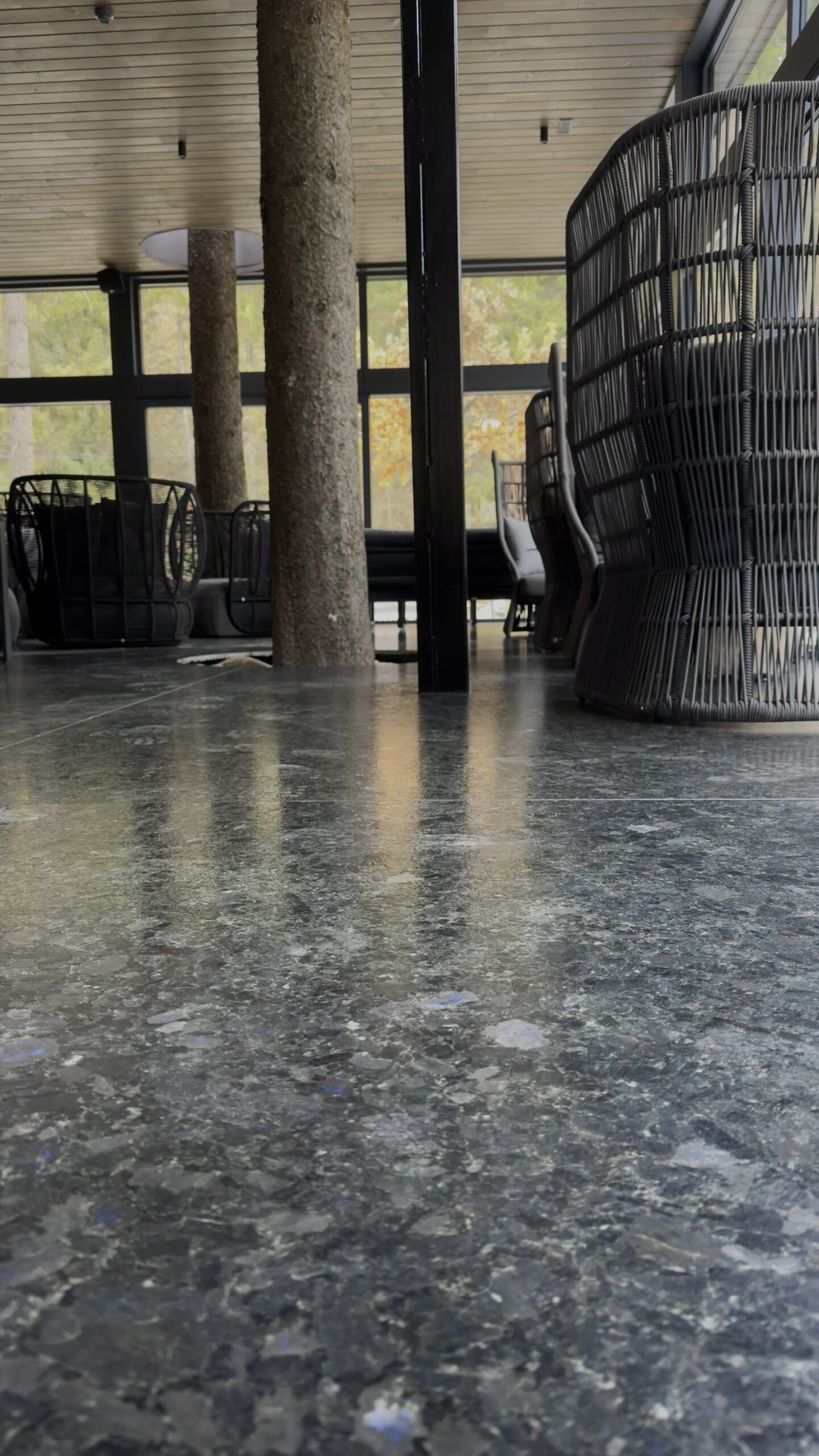
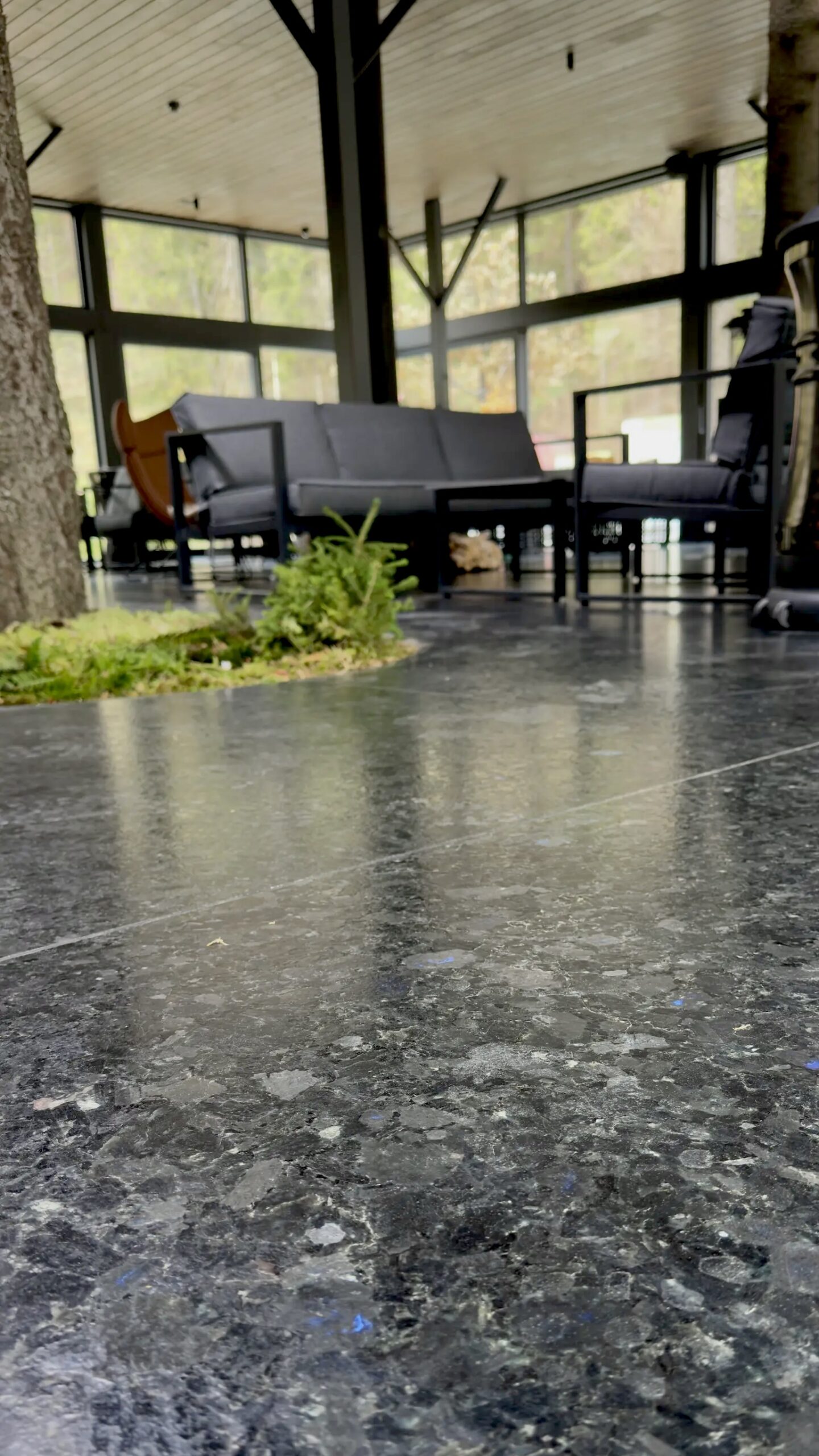
When the surface becomes wet, the graphite base deepens, and the blue iridescence becomes more pronounced. The stone starts interacting with light and changes depending on the conditions.
As a result, the terrace does not feel static — it responds to the environment and becomes part of it.
Anti-slip thermal finish
For outdoor surfaces, safety is critical.
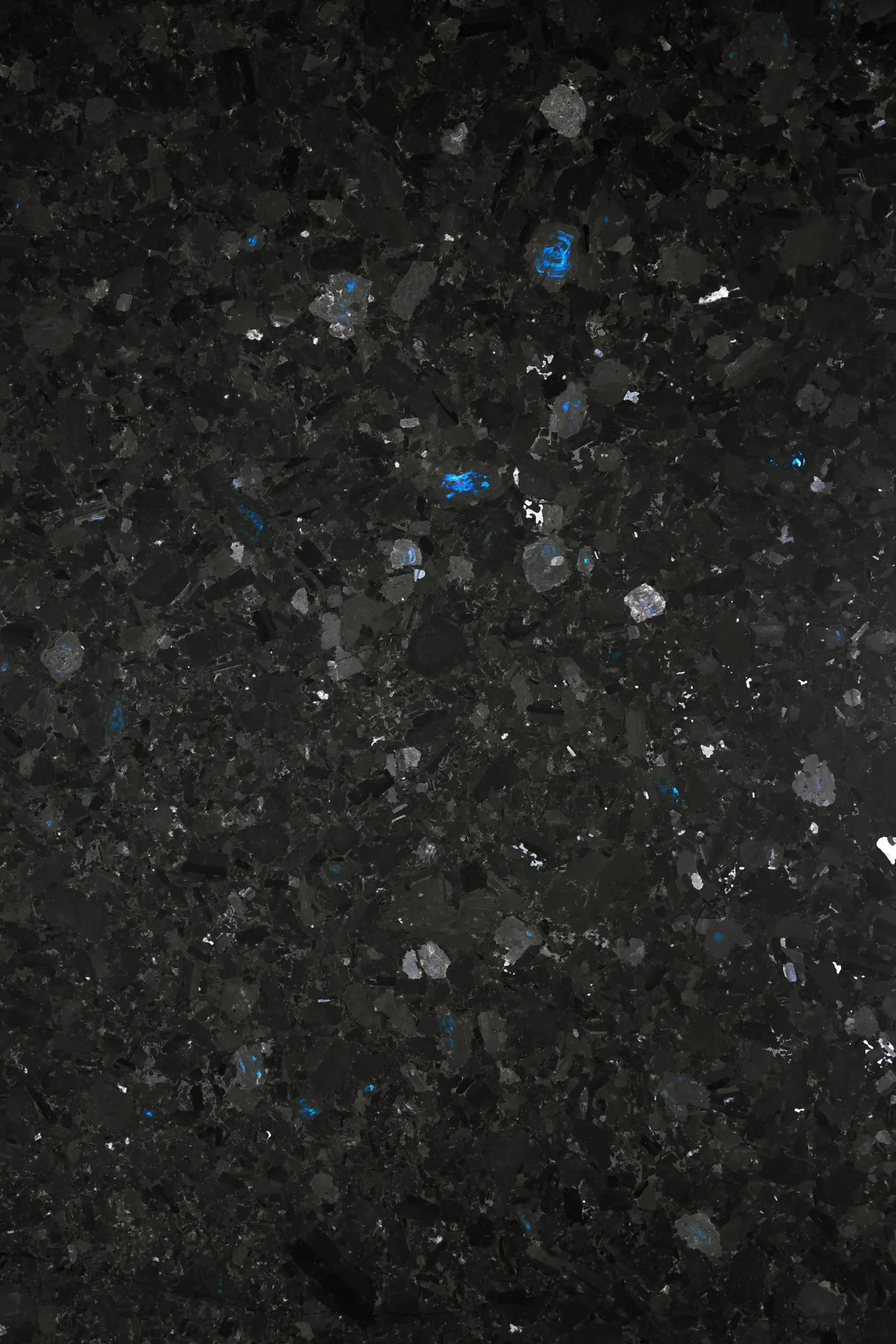
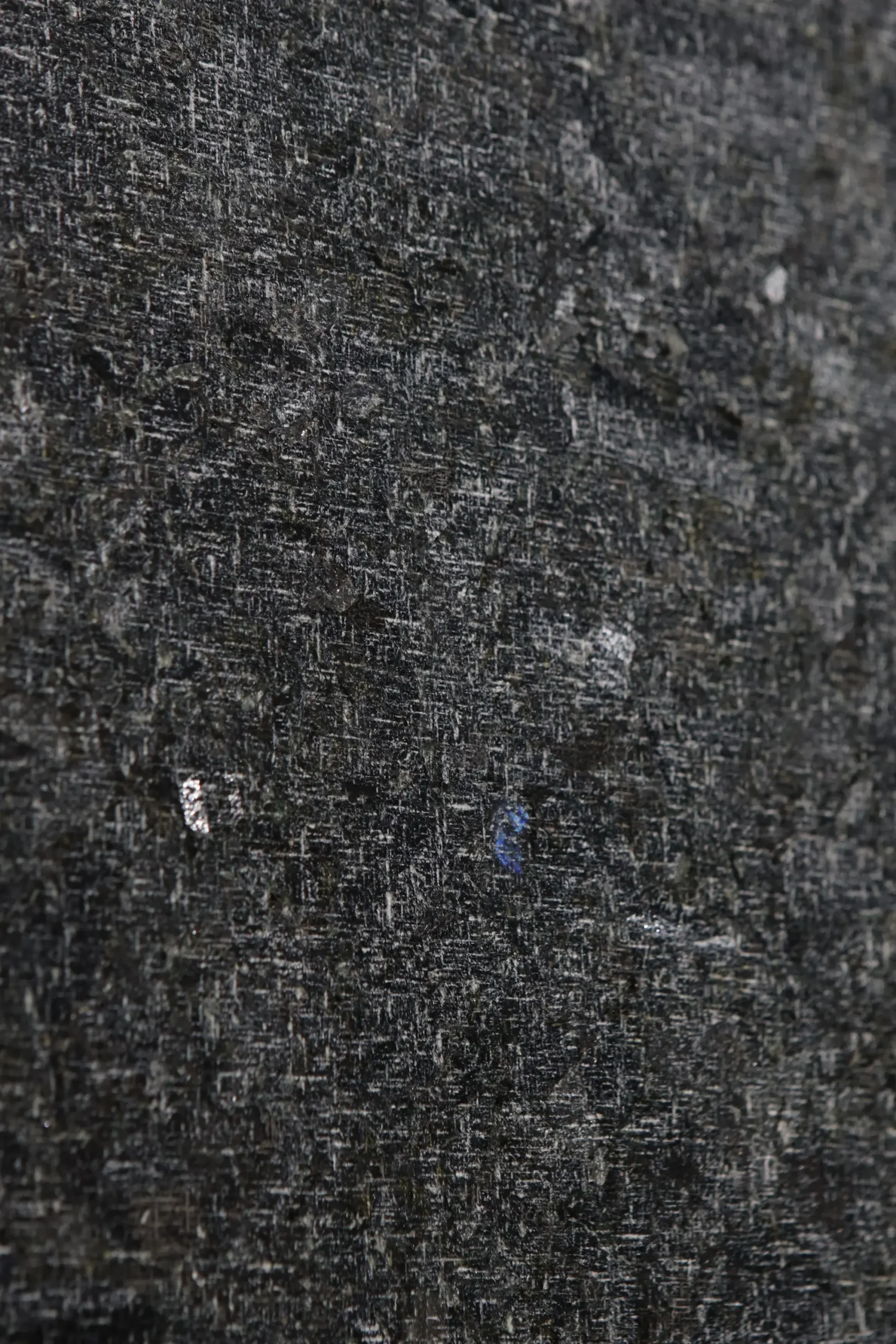
Thermal finishing creates a micro-relief on the stone surface that reduces slipping even in wet conditions. At the same time, the material does not lose its visual depth.
Labradorite with this finish does not look technical — it retains density, structure, and its natural character.
This makes it suitable for:
- terraces
- stairs
- areas around water
- open lounge spaces
Installation: joints, drainage, structure
A terrace is not just a surface — it is a system.
Even a stable material requires proper execution:
- joints compensate for temperature movement
- drainage ensures water evacuation
- the base distributes loads
These elements define how the material will perform over time.
In this context, stone is part of a system, not the only factor of the final result.
Evening terrace: lighting the stone
Light changes how the surface is perceived.
With side or accent lighting, the structure of the stone becomes more pronounced, depth appears, and iridescence is revealed.
Warm light emphasizes the natural properties of the material and creates a sense of privacy.
In the evening, the terrace takes on a different character — the stone stops being a background and becomes an active element of the space.
Combining with wood and metal
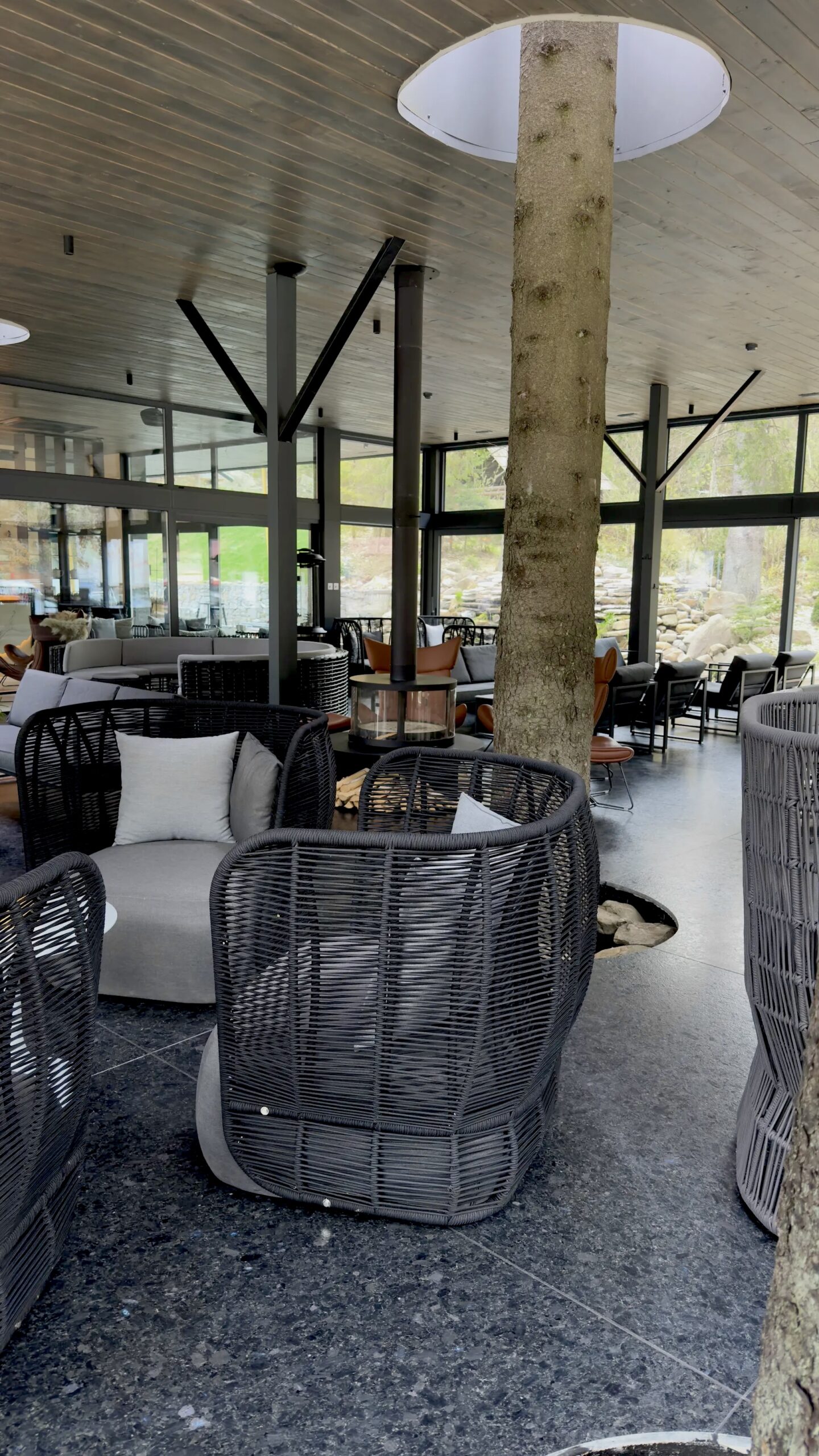
Labradorite is rarely used in isolation. It works in composition with other materials.
Wood adds warmth and balances the depth of the stone.
Metal enhances geometry and introduces a contemporary rhythm.
Glass opens up the space and makes it lighter.
Against this background, the black stone acts as a stable base — visually deep and calm.
It is the contrast between materials that creates a complete architectural image.

Private project applications
In private architecture, the terrace often becomes an extension of the interior.
The material in this space must perform long-term, consistently, and predictably:
- withstand climate conditions
- require minimal maintenance
- maintain visual quality
Labradorite meets these requirements due to its natural structure.
That is why choosing it is not a decorative decision, but a constructive one that works in the long term.
Q&A
Is labradorite suitable for terraces in cold climates?
Yes. Due to its dense structure, the stone withstands repeated freeze-thaw cycles without losing geometry or integrity.Will the surface become slippery after rain?
When using a thermal finish, the surface remains stable even when wet. The micro-relief reduces slipping without compromising aesthetics.Does the appearance of the stone change in rain?
Yes. Moisture enhances the depth of color and makes the iridescence more pronounced. The stone responds to the environment and looks different depending on conditions.Does a labradorite terrace require maintenance?
No. The material does not require regular maintenance. Basic cleaning is sufficient to maintain its appearance.Can labradorite be combined with other materials?
Yes. The stone works well with wood, metal, and glass, forming balanced architectural solutions.