
You might be interesting:

Black Stone in Retail and Boutiques: Material That Speaks for the Brand
10 min | 06.05.2026Black Stone in Retail and Boutiques: Material That Speaks for the Brand
A space where architecture begins to speak the language of the brand


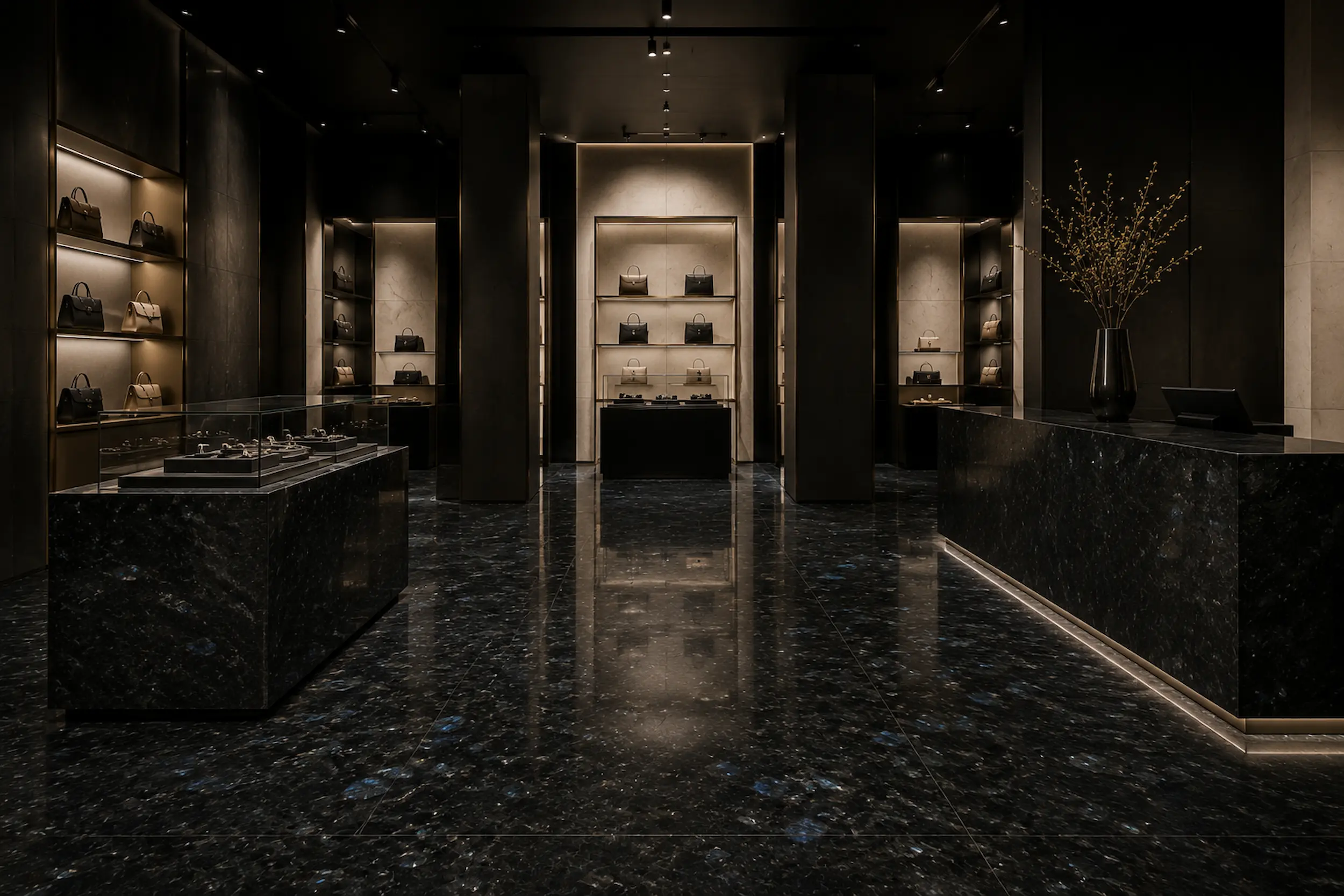
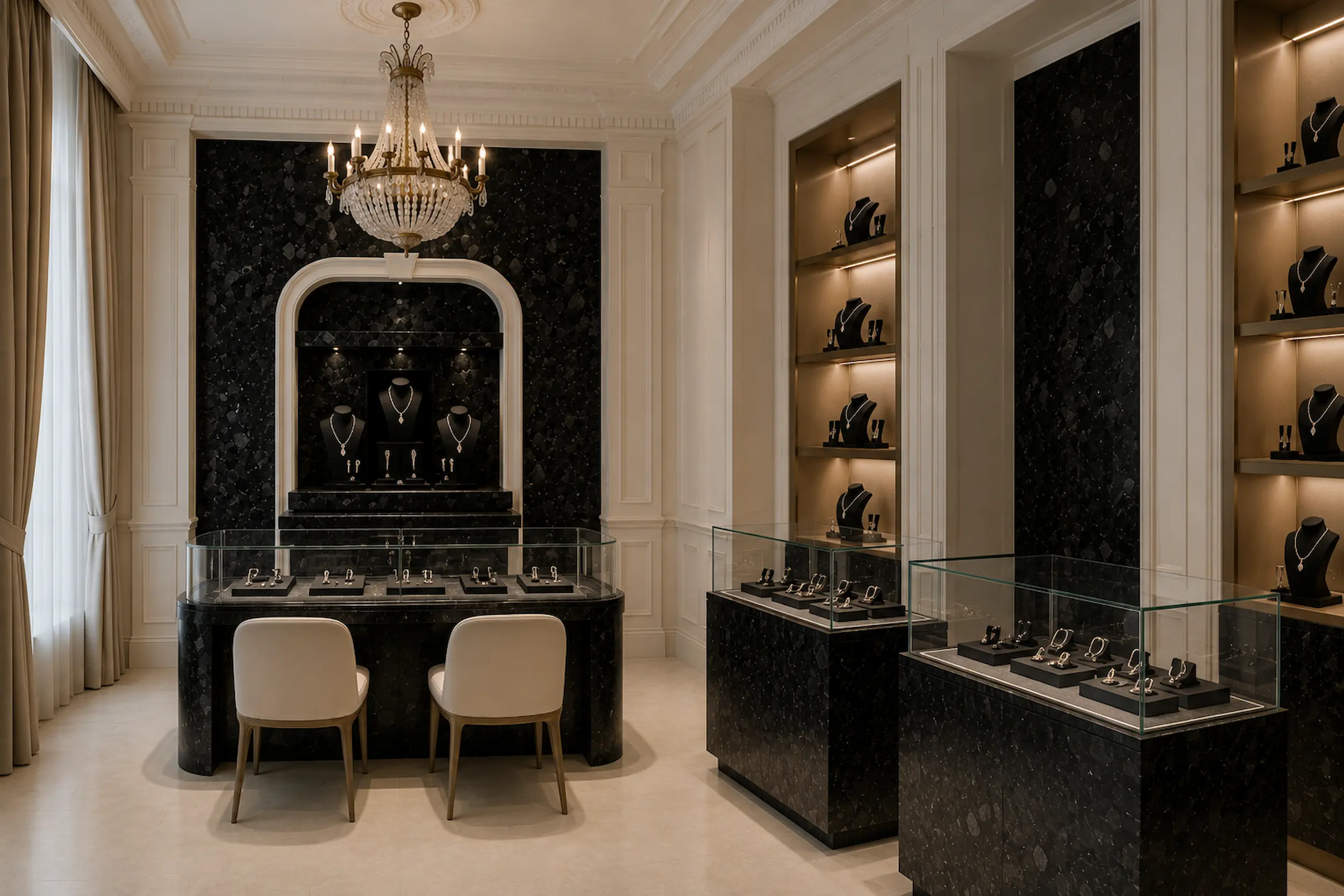
Black stone that transforms retail space into part of the brand experience
Stone for retail store or boutique is no longer perceived as decoration.
In premium retail, architecture shapes brand perception before the first interaction with the product.
Premium retail is built on perception.
Before the first interaction with a product, before a consultant speaks, before attention focuses on details — the space already forms a conclusion about the brand itself.
This is why architecture in boutiques is no longer treated as background.
Materials define positioning. Light defines emotion. Surfaces define rhythm.
Golovinski labradorite works precisely in this context.
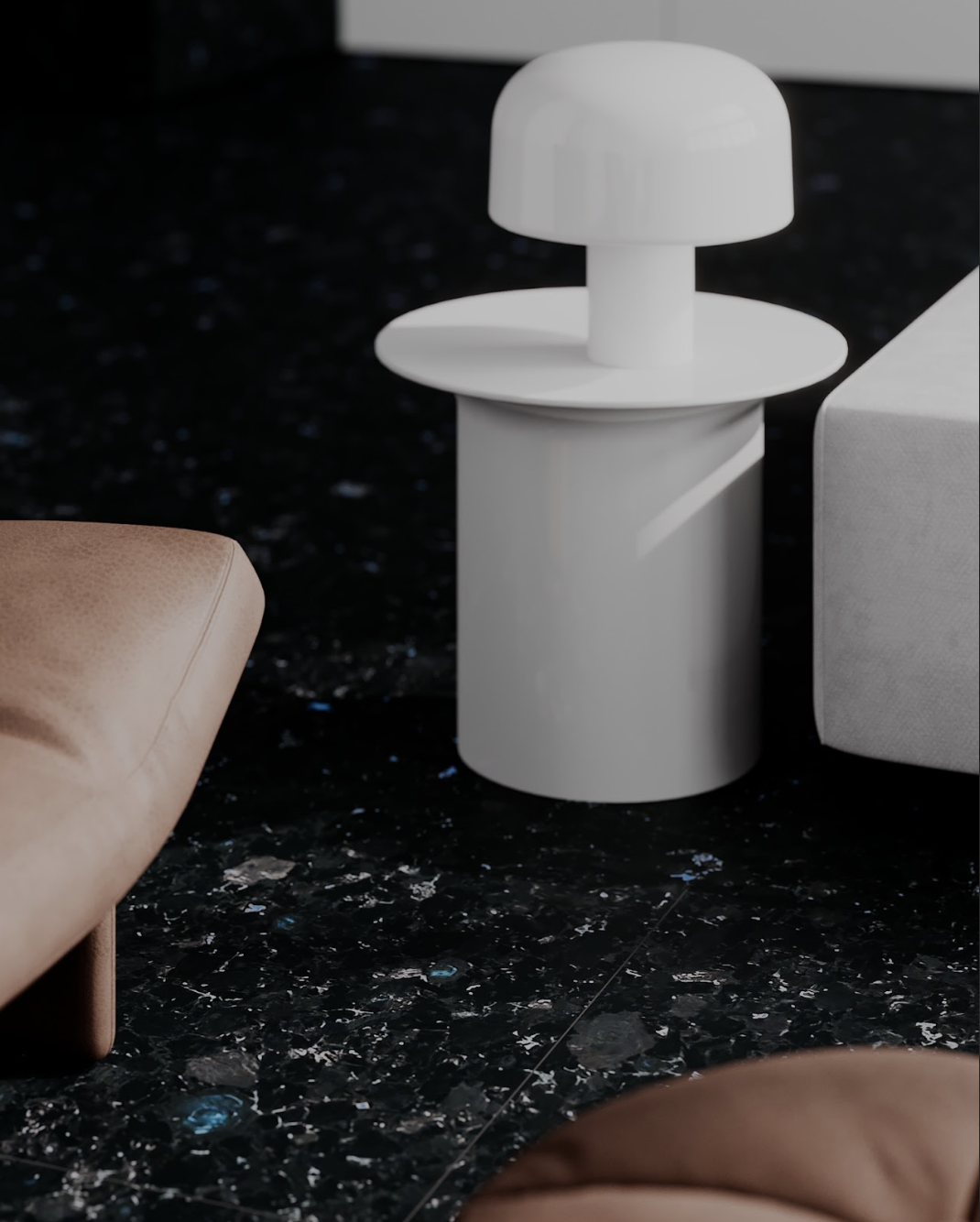
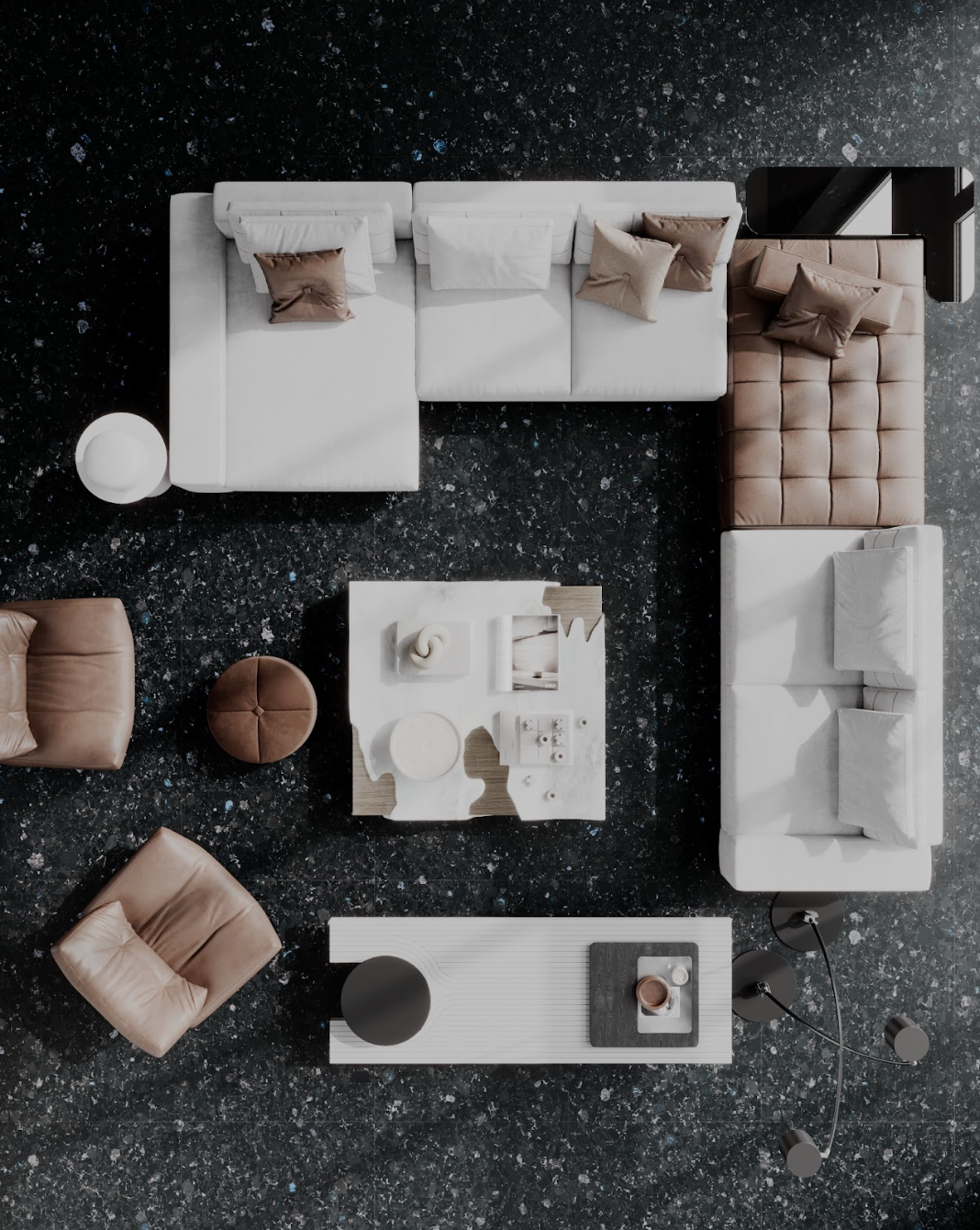
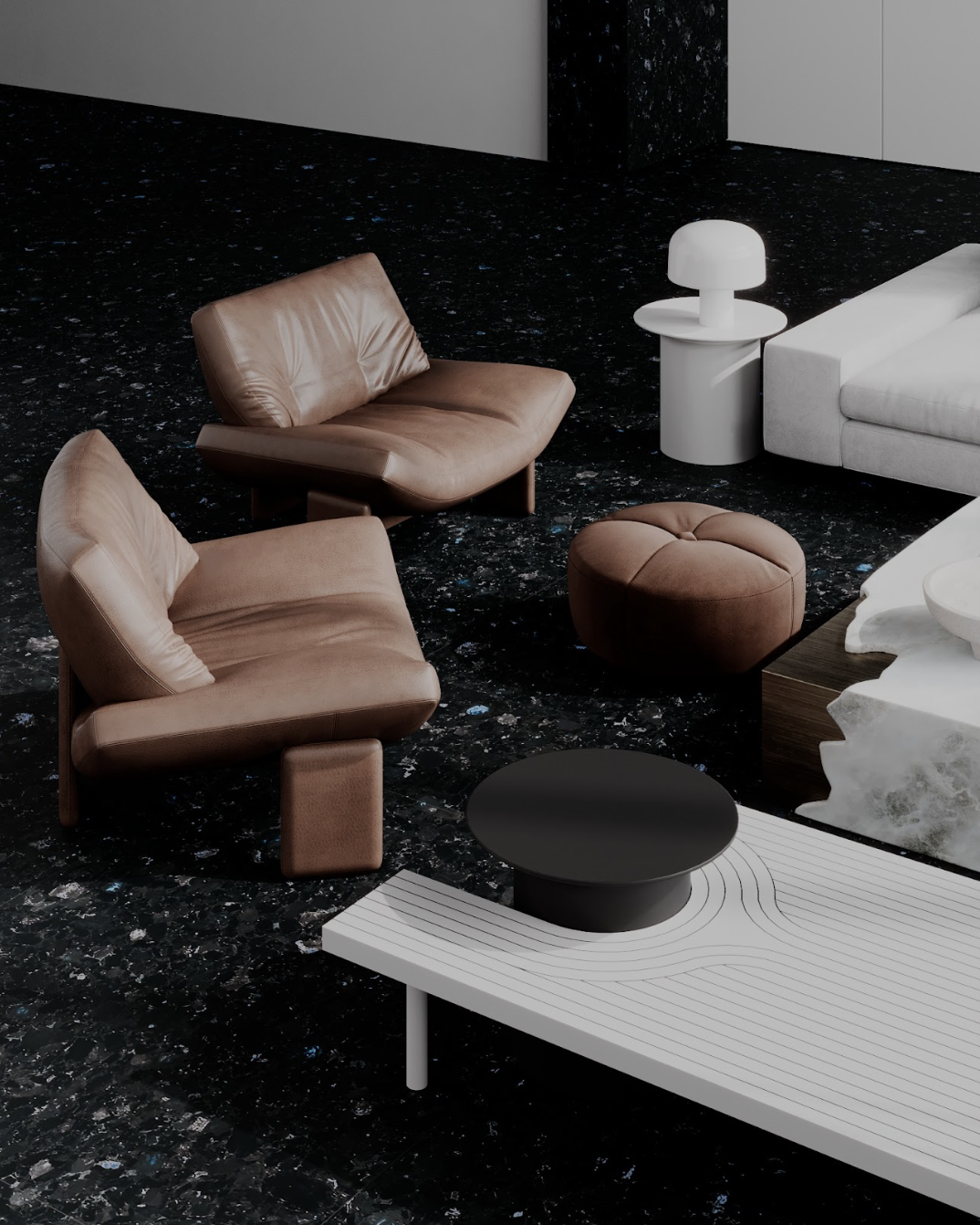
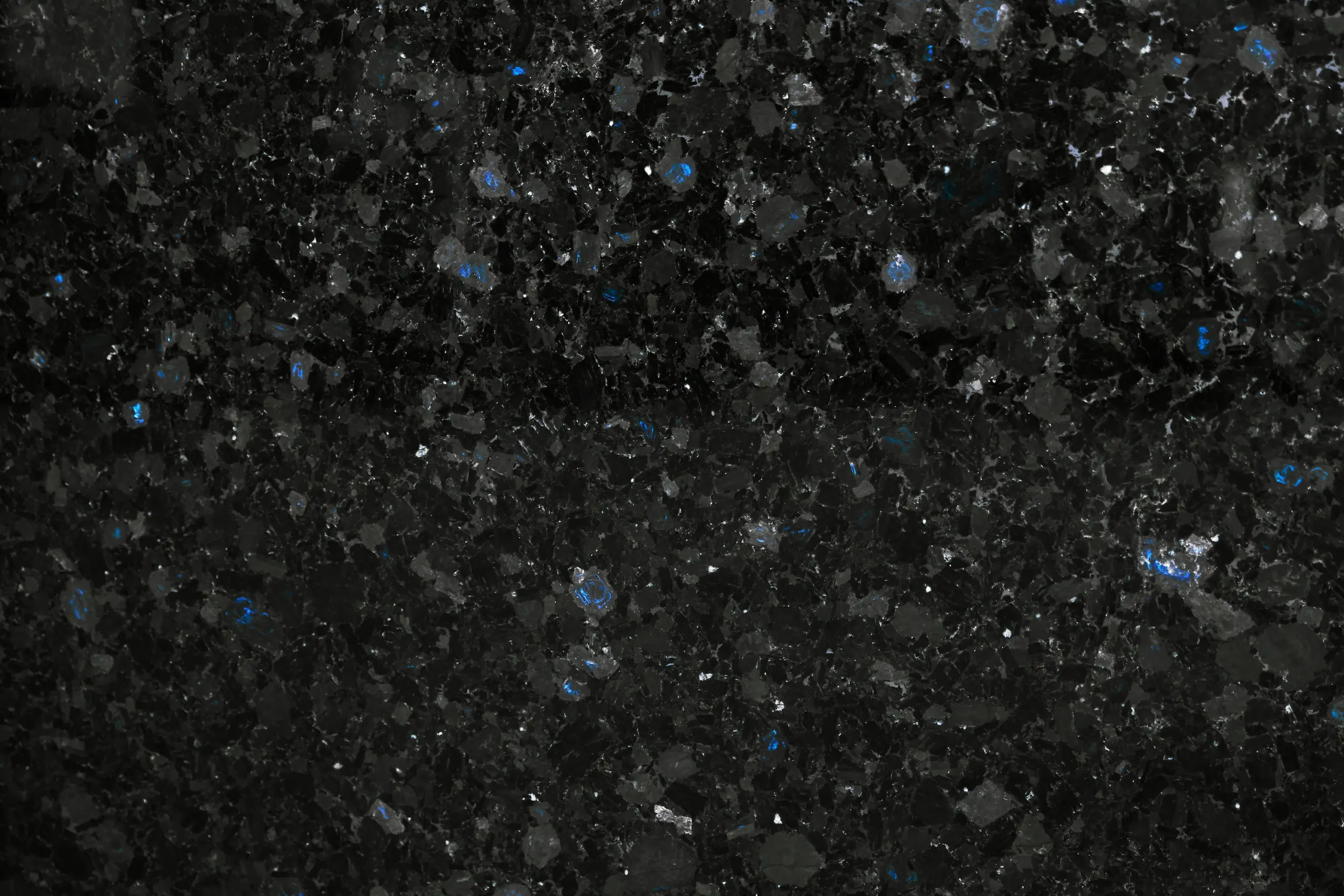
Its deep graphite-dark base, restrained blue iridescence, and dense crystalline structure create not decoration, but atmosphere — controlled, premium, and visually stable.
The material does not compete with the product.
It elevates it.
Material as part of brand identity
Strong retail spaces are remembered not by furniture, but by feeling.
Luxury boutiques rarely rely on aggressive visual solutions. Instead, they build identity through depth, restraint, texture, and precision.
Labradorite allows architecture to communicate these values without direct statements.
The surface reacts softly to light. Blue iridescence appears only under certain angles, creating movement rather than visual noise.
This effect changes throughout the day and keeps the interior visually “alive.”
In retail, this becomes important because the space continuously works with attention.
The material forms the emotional background against which products are perceived.
Why dark stone works in premium retail
Dark surfaces visually remove unnecessary distraction.
Instead of fragmenting the space, they create concentration.
Jewelry, watches, accessories, leather goods, or fashion collections become more expressive against a restrained architectural background.
Labradorite works especially well because its texture is deep but controlled.
It creates complexity without chaos.
The result is a space that feels expensive before the price tag appears.
Floors and walls in flagship stores
Retail interiors operate under constant visual and physical pressure.
Hundreds of visitors interact with the space every day:
— movement
— light
— moisture
— contact with surfaces
— changing collections and displays
The material must remain visually stable through all of this.
Labradorite performs well in flagship environments because its dense structure resists visual aging.
The surface keeps its geometry, depth, and material clarity over time.
Large-format slabs are especially important in retail architecture because they reduce visual fragmentation.
Fewer seams create a calmer and more premium perception of the space.
The result feels monolithic and architecturally complete.
Display zones and product presentation
Display areas are where material begins working directly with value perception.
Products are never perceived independently from their surroundings.
A premium watch on a weak surface loses tension. Jewelry on a generic countertop loses presence.
Labradorite creates depth behind the object instead of competing with it.
The dark surface absorbs excess visual noise and allows lighting to focus directly on the product.
This is especially effective in:
— jewelry boutiques
— watch stores
— fashion flagships
— perfume spaces
— premium accessories retail
Light interaction in retail interiors
Retail lighting is never neutral.
Every reflection changes product perception.
Polished labradorite creates controlled reflections that visually expand the space while maintaining architectural calm.
Leathered or Silk finishes create a softer atmosphere with less glare and more tactile depth.
Different finishes allow the same material to support different brand identities:
— minimalistic
— fashion-oriented
— artistic
— luxury-classic
— contemporary premium
Durability under commercial traffic
A premium store cannot visually deteriorate after a year of operation.
Retail spaces with 500+ visitors per day require materials that maintain both technical and visual stability.
Labradorite performs well under intensive traffic because of its dense crystalline structure and resistance to moisture and daily wear.
The surface does not become visually “tired.”
This matters in retail because customers unconsciously associate material condition with brand quality.
When architecture remains composed, the brand perception remains composed as well.
Labradorite under high visitor traffic
In commercial interiors, durability is not only technical.
It is psychological.
The space must continue looking premium every day, regardless of visitor volume.
Labradorite maintains visual depth even under active daily use, which makes it suitable for long-term flagship concepts.
How to choose stone for a retail store or boutique
Maintenance in commercial interiors
Retail architecture should not require constant intervention.
Labradorite is practical in this context because the material does not demand complex maintenance routines.
Basic professional cleaning is enough to preserve the appearance of the surface.
Different finishes also allow adaptation to different operational needs:
— Polished for maximum visual depth
— Silk for restrained elegance
— Leathered for tactile interaction and reduced reflections
This flexibility makes the material suitable for both expressive flagship boutiques and quieter premium retail spaces.
Material as an extension of the brand
The strongest retail interiors do not separate architecture from identity.
The space itself becomes part of the product experience.
Labradorite works precisely because it creates atmosphere without visual aggression.
It communicates:
— restraint
— permanence
— concentration
— precision
— controlled luxury
This is why premium retail increasingly uses architecture not as decoration, but as a continuation of brand language.
Labradorite becomes part of that language from the very first step.
Q&A
Is labradorite suitable for stores with heavy visitor traffic?
Yes. Its dense crystalline structure allows the material to maintain visual and structural stability even in retail spaces with intensive daily traffic.
Will dark stone make a boutique feel smaller?
No. With proper lighting and material balance, labradorite creates depth rather than heaviness. This is why it is often used in premium boutiques and flagship retail interiors.
Can labradorite be used only locally?
Yes. In retail, a single surface — floor, wall, or display zone — is often enough to define the character of the space and strengthen brand identity.
Which finish works best for retail interiors?
It depends on the atmosphere of the brand. Polished creates depth and reflection, Silk provides restrained elegance, while Leathered surfaces add tactility and softer light interaction.