
You might be interesting:

Volga Blue vs Emerald Pearl and Blue Pearl: The Comparison
10 min | 25.02.2026Volga Blue vs Emerald Pearl and Blue Pearl: The Comparison
Honest Comparison of Labradorites: Ukrainian vs Norwegian Labradorite in Contemporary Architecture. Properties, Visual Impact, and the Real Economics of the Project.


Why Ukrainian labradorite is a rational premium choice
Labradorite comparison is not just about aesthetics — it is a strategic decision for architects and designers working with premium natural stone.
The comparison of labradorites is not just about aesthetics. It is a strategic decision for facades, public spaces, and private residences. Three names dominate the market: Ukrainian Volga Blue and Norwegian Emerald Pearl and Blue Pearl. All belong to the labradorite family, yet differ significantly in geological structure, visual depth, processing behavior, and overall project economics.
This article provides a clear and honest comparison of labradorites — Ukrainian vs Norwegian labradorite — focusing on measurable properties, architectural effect, and long-term value rather than marketing claims.
Global Labradorite Deposits
Ukraine — Volga Blue
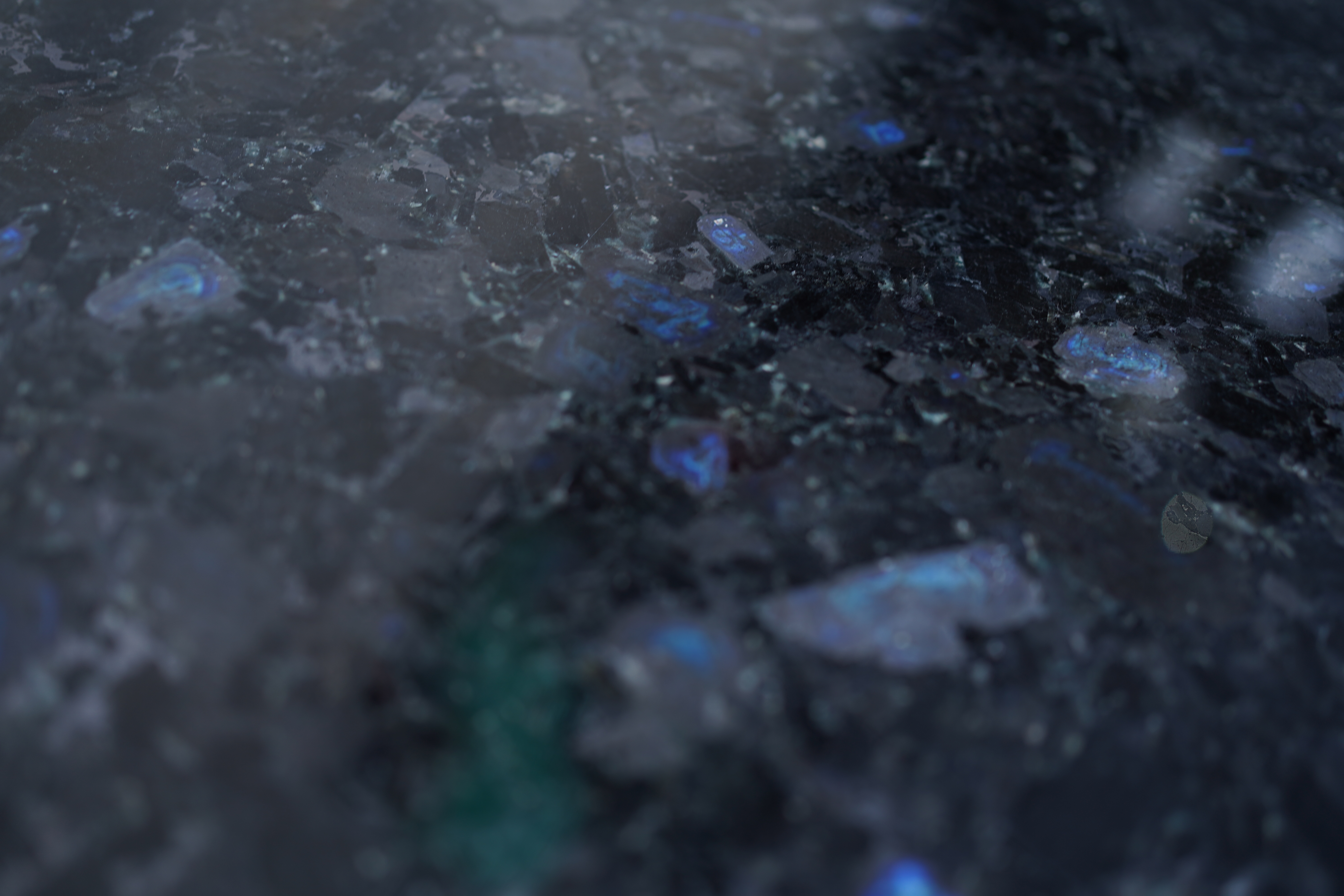
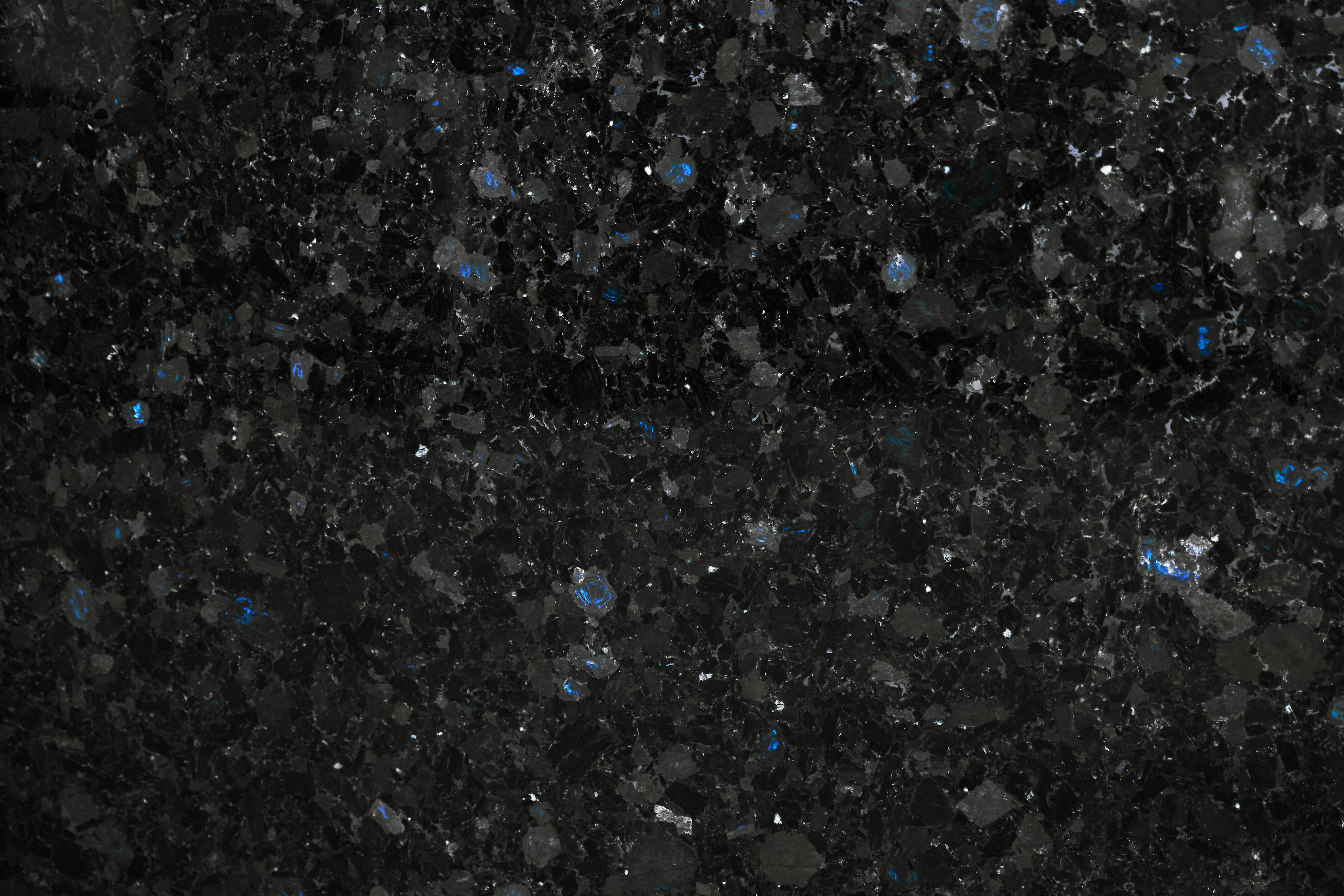
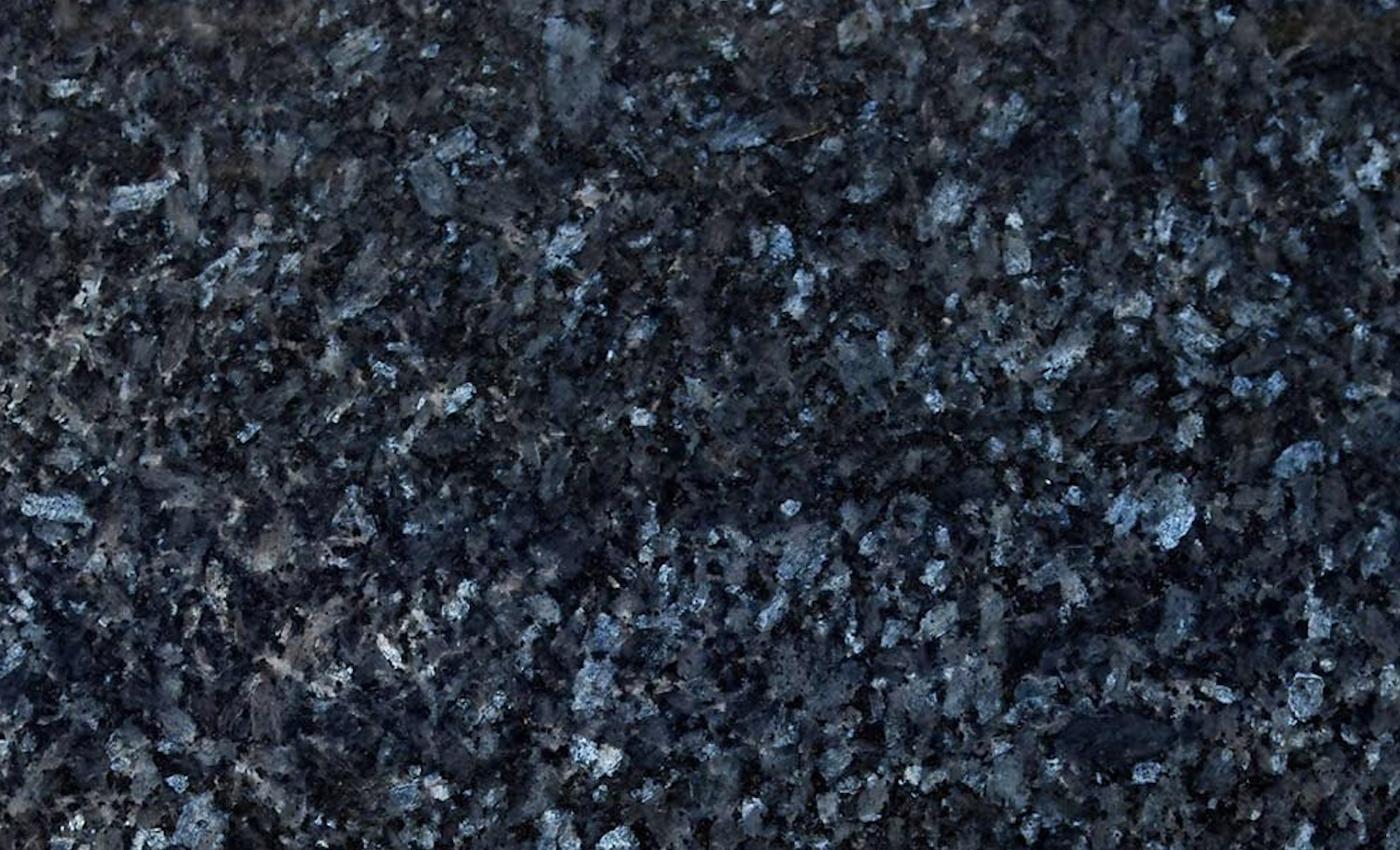
Volga Blue is quarried in the Zhytomyr region of Ukraine. The deposit is known for its dense crystalline structure and deep graphite-dark base with refined blue iridescence. characteristics:- compact, homogeneous structure without chaotic veining
- deep graphite base (not black, not green)
- fine, controlled labradorescence
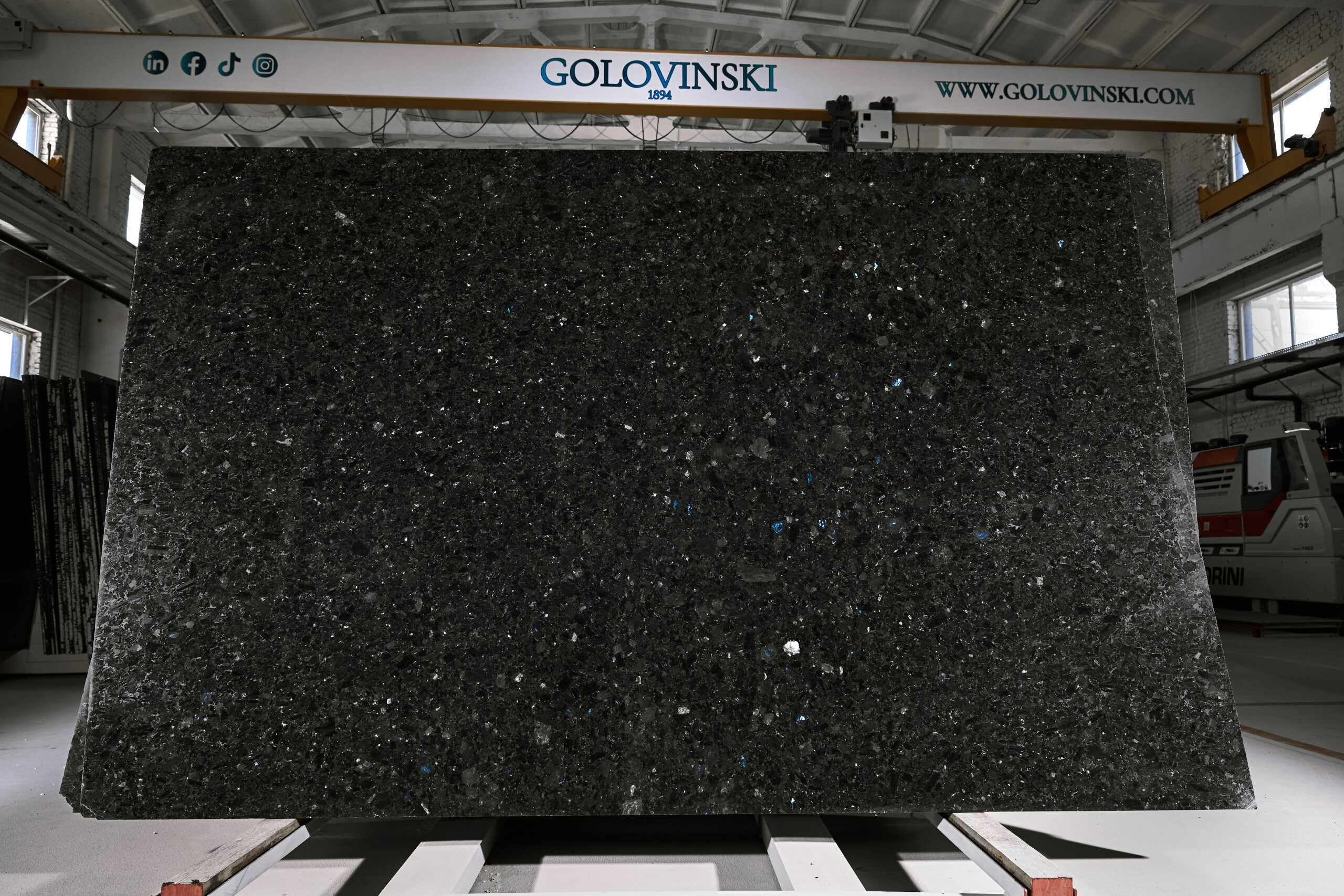
- stable appearance in large 3×2 m slabs
- excellent polishing quality with long-lasting gloss
Norway — Emerald Pearl
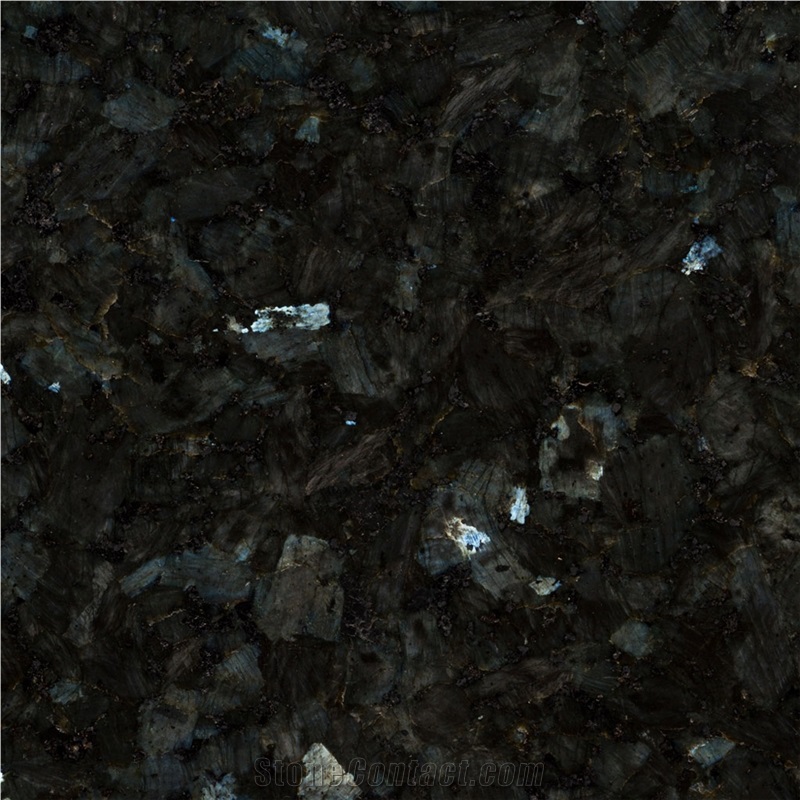
Emerald Pearl is a Norwegian labradorite with a pronounced green base. It is often mistakenly marketed as granite due to its visual similarity. Key characteristics:- dark green base
- large crystals with bright green-gold iridescence
- more variegated pattern
- high reflectivity when polished
Norway — Blue Pearl
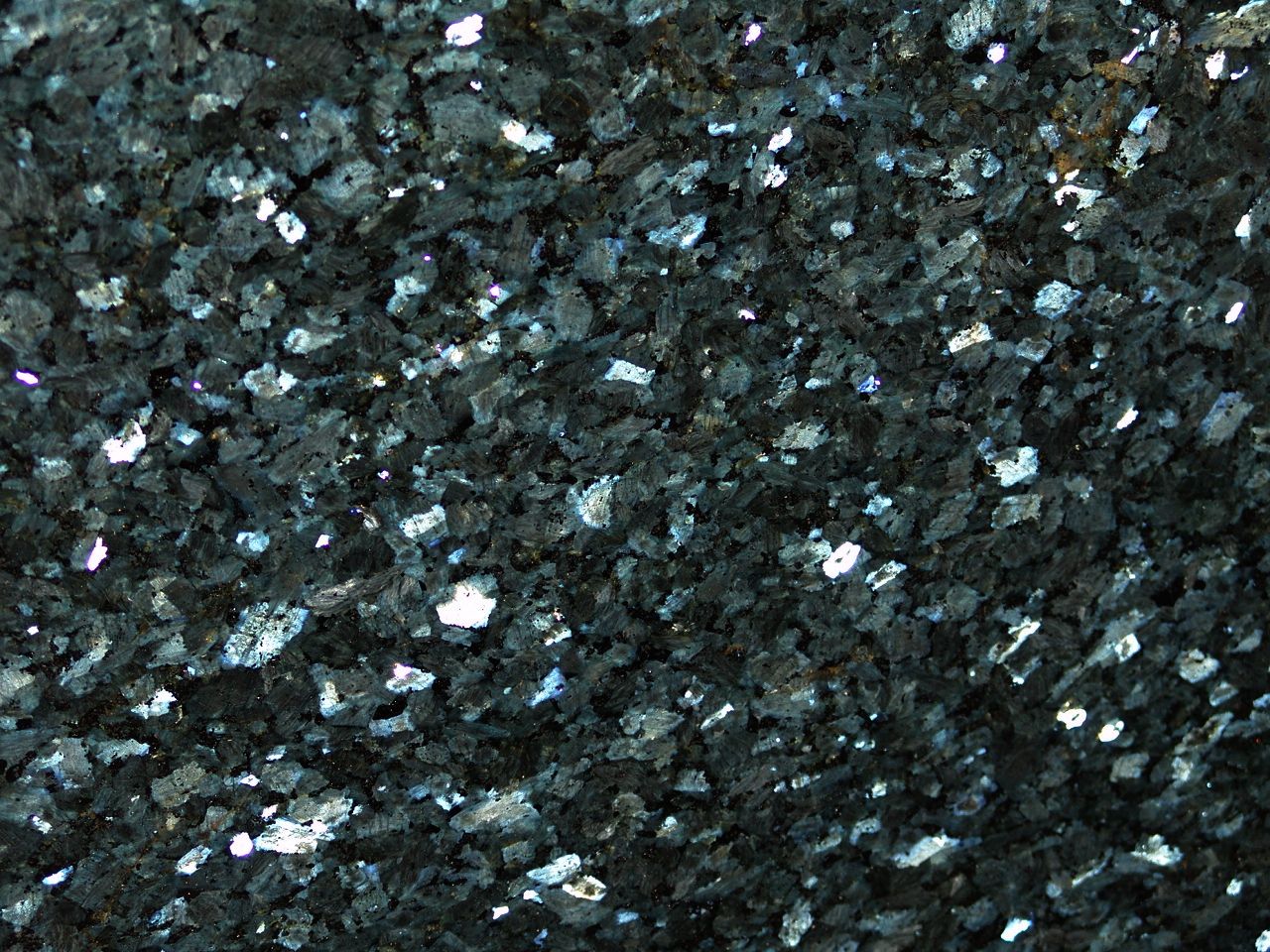
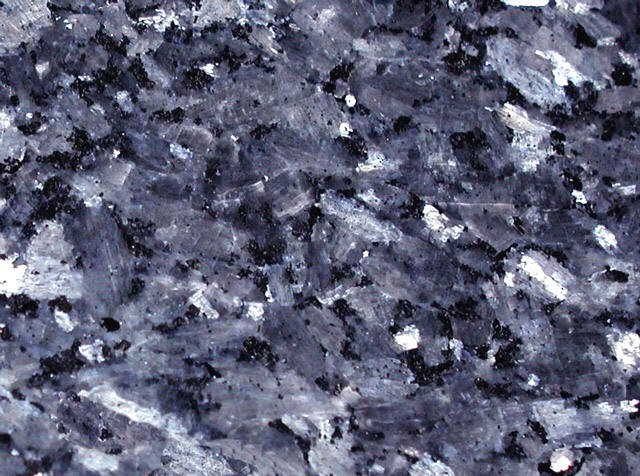
Blue Pearl is another Norwegian variety with a cool gray or bluish base and large light-reflective crystals. Main characteristics:- lighter base compared to Volga Blue
- coarse crystalline structure
- distinct “pearl-like” iridescence
- active light effect
Comparison of Properties
Labradorescence
Labradorescence is the defining parameter in any labradorite comparison.- Volga Blue: fine, deep blue iridescence that appears under certain angles without dominating the surface. The effect is restrained and architectural.
- Emerald Pearl: bright green labradorescence with high contrast.
- Blue Pearl: large crystals create a strong pearlescent shimmer.
Physical Performance and Durability
All three materials belong to dense igneous rock formations and share strong physical parameters:- high compressive strength
- low water absorption
- frost resistance
- UV stability
- long-term durability in exterior applications
- Block uniformity and consistency of pattern.
- Polishing behavior and depth of gloss.
- Availability of large slab formats for seamless architectural surfaces.
Price Comparison: What Defines Value?
Price is influenced by several factors:
-
logistics (Ukraine vs Norway)
-
extraction costs
-
slab size and processing technology
-
yield ratio and material consistency
-
supply stability
Norwegian materials typically involve longer logistics chains and higher base production costs. Ukrainian Volga Blue often provides a more balanced price-to-quality ratio, especially in large-scale architectural projects.
However, the rational evaluation goes beyond the price per square meter. Architects and developers must consider:
-
consistency within production batches
-
percentage of usable material
-
waste minimization
-
predictable supply timelines
In complex projects, these parameters influence overall investment efficiency more than nominal price differences.
Ukrainian vs Norwegian Labradorite: Strategic Choice
Emerald Pearl — expressive and decorative with a green dominance.
Blue Pearl — cooler, brighter, and crystal-focused.
Volga Blue — deep graphite base with refined, controlled blue iridescence.
Norwegian stones may suit classic interiors or decorative compositions.
Volga Blue often aligns better with modern architecture, premium facades, and minimalist design language.